Posts tagged

Ghana

September 10, 2026 News

Securing Budget Lines, Creating Coalitions: The Budget Advocacy Accelerator Graduates Deliver Results

You're invited to celebrate the graduation of the 2025-2026 cohort of the CSO Budget Advocacy Accelerator: September 15, 2026 at 9:00 AM ET | 2:00 PM UTC. RSVP here

Ahead of the ceremony, here's a look at what this cohort achieved. 

Over 10 months, GHAI's Advocacy Accelerator strengthened the capacity of 12 civil society organizations (CSOs) from 11 countries across Africa and Asia to influence domestic health financing, combining hands-on learning, expert mentorship and peer exchange. Through capstone projects spanning cardiovascular health, drowning prevention, health security, mental health, road safety and tobacco control, this cohort achieved concrete results. 

August 18, 2026 Funding Opportunities

Funding Opportunities: Request for Proposals: Ghana Civil Society Organizations to Advocate for Drowning Prevention

In Ghana, drowning poses a critical public safety and national security issue, requiring an urgent shift in policy priorities and resource allocation. For too long, drowning has been perceived as isolated accidents or personal tragedies rather than a systemic public health problem. It is an urgent yet overlooked public health crisis in Ghana, claiming an estimated 1,100 to 1,400 lives each year. This mortality rate is driven by legislative and funding gaps and inadequate enforcement of water safety regulations. To address these challenges, the Global Health Advocacy Incubator would like to partner with local partners in Ghana to work in line with the World Health Organization’s (WHO) global PROTECT framework and national drowning prevention priorities to drive sustainable policy changes. 

August 18, 2026 News

Funding Opportunities: Request for Proposals: Ghana Civil Society Organizations to Advocate for Drowning Prevention

In Ghana, drowning poses a critical public safety and national security issue, requiring an urgent shift in policy priorities and resource allocation. For too long, drowning has been perceived as isolated accidents or personal tragedies rather than a systemic public health problem. It is an urgent yet overlooked public health crisis in Ghana, claiming an estimated 1,100 to 1,400 lives each year. This mortality rate is driven by legislative and funding gaps and inadequate enforcement of water safety regulations. To address these challenges, the Global Health Advocacy Incubator would like to partner with local partners in Ghana to work in line with the World Health Organization’s (WHO) global PROTECT framework and national drowning prevention priorities to drive sustainable policy changes. 

March 13, 2024 Programs

Reducing Demand for Unhealthy Food

Globally there has been an influx of ultra-processed products, which have negatively impacted diets and increased the prevalence of non-communicable diseases (NCDs), like cardiovascular diseases, diabetes, cancer, among others. To shift these alarming trends, GHAI works with civil society organizations to push for mandatory policies that reduce the consumption of ultra-processed food and beverages. 

March 18, 2024 Programs

Data for Health

We provide Civil Registration, Vital Statistics and Identity Management (CRVSID) legal reviews and budget advocacy support to improve public health data so that governments are equipped with the tools and systems to collect and use data to prioritize health challenges, develop policies, deploy resources and measure access.
March 20, 2024 Programs

Countering Industry Interference

Vested commercial interests actively block or undermine healthy food policies. GHAI protects food policies by holding the ultra-processed products industry accountable for the health and environmental damage they cause.
April 2, 2024 Programs

Immunization

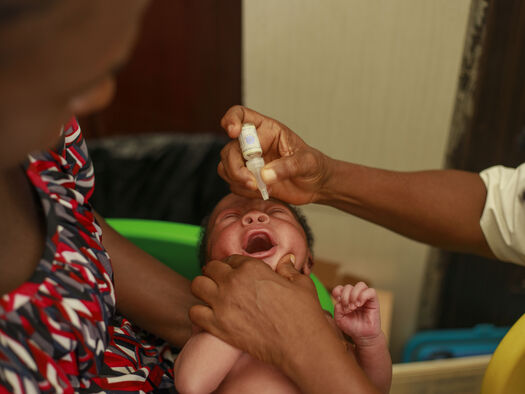
We support CSOs to secure social and political will for equitable and sustainable financing for immunization and primary health care; work towards increasing immunization coverage and reducing the number of children who do not receive any vaccines (zero-dose children); and ensuring efficient use and allocation of domestic resources and international donor funds for primary health care and immunization service delivery.
April 2, 2024 Programs

Health Security

We build support for strengthening epidemic preparedness systems in Africa with a special emphasis on domestic resource mobilization.