On February 3, 2026, the Parliament of Ghana did more than cut a ribbon. It fundamentally shifted the architecture of the country’s health security. The official launch of the Parliamentary Caucus on Immunization marks a pivot from passive legislative oversight to active political ownership of immunization/vaccine financing.
While the event garnered significant attention from global health heavyweights, the engine behind this milestone was a targeted advocacy campaign that began thousands of miles away.
The genesis of this Caucus is found in the "Istanbul Parliamentary Call to Action" of April 2025. Convened by the Global Health Advocacy Incubator (GHAI), that forum brought Ghanaian legislators face-to-face with peers from across Africa and Asia to confront a shared reality: donor funding is shrinking and national budgets must fill the void. The Ghanaian delegation left Istanbul with a blueprint for a legislative body dedicated to immunization financing. Less than a year later, thanks to the persistent on-the-ground work of Hope for Future Generations (HFFG), that blueprint is now a functioning arm of Parliament.
This development comes at a precarious moment. Ghana is racing toward a 2030 deadline to fully self-finance its immunization programs as it transitions out of Gavi support. The launch attracted massive media coverage—from the Ghana Broadcasting Corporation to Joy News—signaling that vaccine financing has graduated from a technical subject discussed in ministry backrooms to a headline issue of national health systems sovereignty.
The Caucus serves as the political anchor for this transition. Its mandate is to ensure that the Ministry of Finance not only allocates funds for vaccines and immunization programs but releases them on time to prevent stockouts. This aligns precisely with the objectives of Gavi’s 6.0 strategy, which emphasizes country ownership and sustainability over indefinite aid dependence.
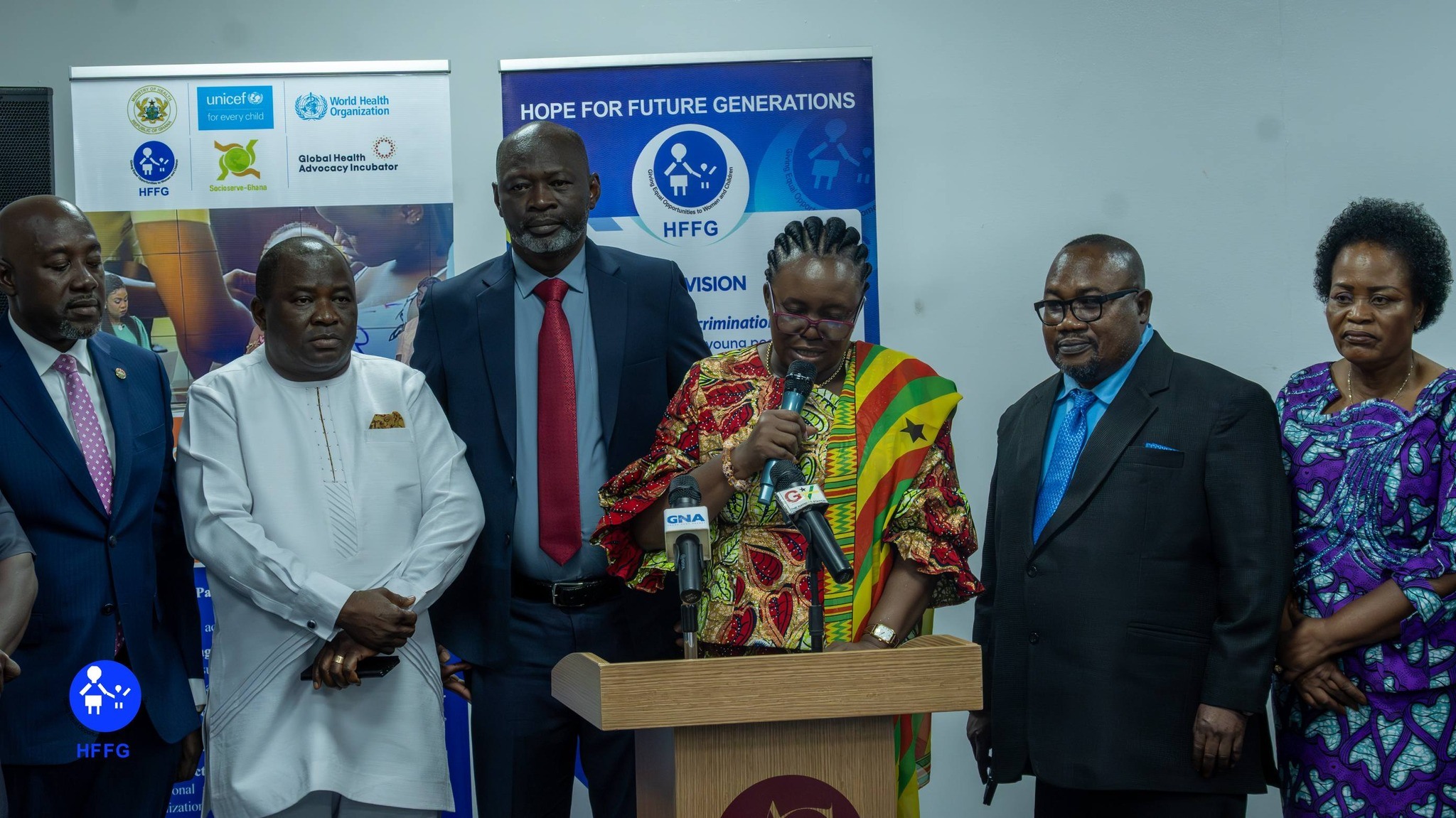
During the launch, the existential nature of this mission was articulated clearly by the executive branch. In a speech delivered on behalf of Health Minister Kwabena Mintah Akandoh by Dr. Belinda Nimako, Director of Policy, Planning, Monitoring and Evaluation at the Ministry of Health, immunization was framed as an economic imperative rather than just a medical one.
"Immunization is not merely a health intervention but a strategic national investment essential to Ghana's development and long-term prosperity," the Minister stated. "Ensuring the continuous availability of vaccines and the actual delivery to children is therefore a top national priority."
This political will is critical because the fiscal gap is real. As the Ghana’s contribution to Gavi supported vaccines—in an arrangement known as Gavi co-financing—rises, the Caucus must actively lobby for ringfenced budgets that can withstand economic shocks.
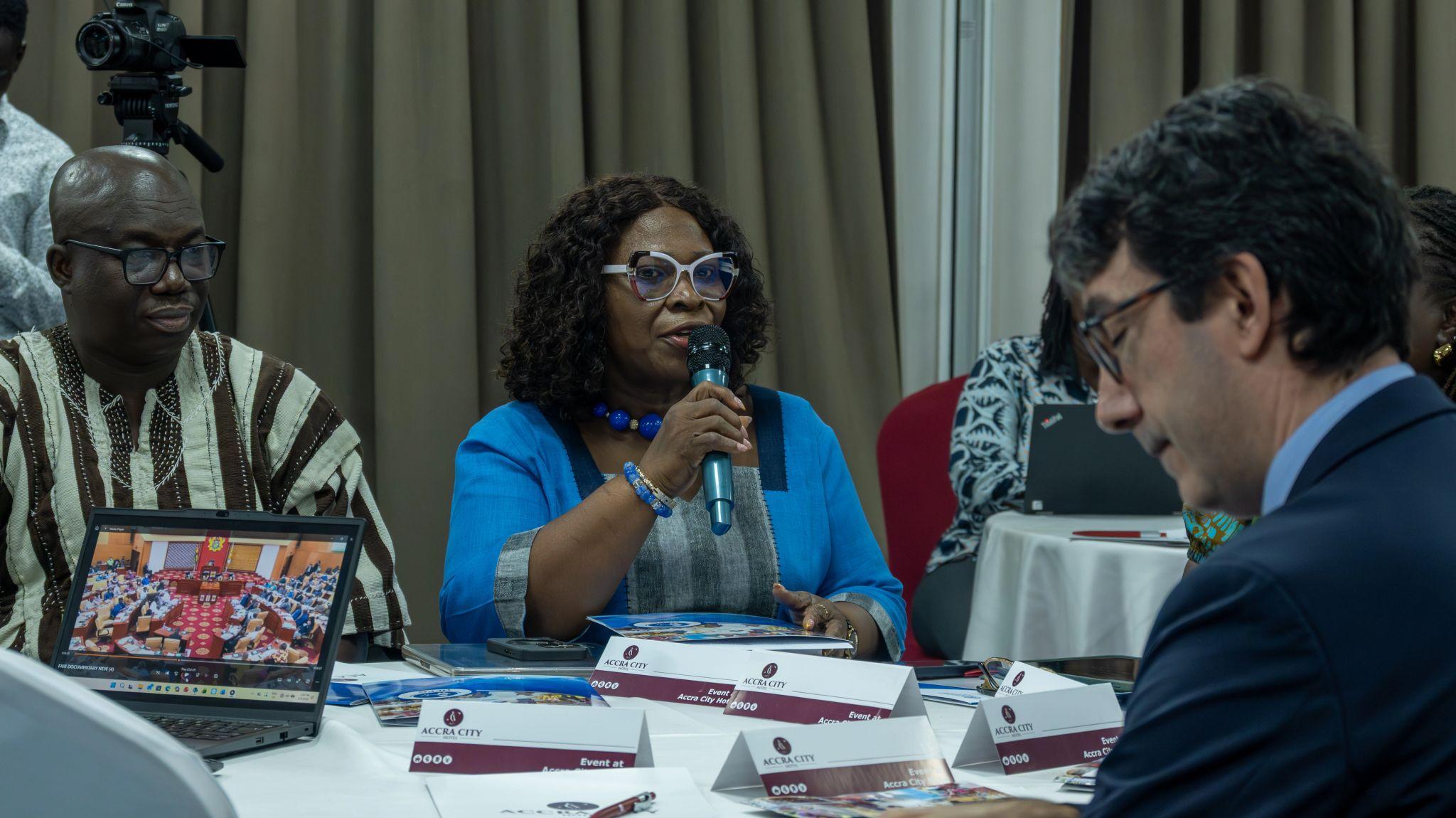
Dr. Sebastien Sandaare, the Member of Parliament for Daffiama-Bussie-Issa and Chairman of the newly formed Caucus, was candid about the challenges ahead. He emphasized that the body is not ceremonial but operational, designed to prepare Ghana for a future without Gavi’s safety net.
"We know very well that by 2030, Gavi and other partners that support this country with resources for immunization would be leaving us," Dr. Sandaare told attendees. "So this Caucus is more of an advocacy caucus ready to work with all partners... to see how we strengthen our local resource mobilization so that we can stand on our own."
The formation of this group validates the "advocacy first" model championed by GHAI and HFFG. By equipping parliamentarians with the technical data needed to make the economic case for vaccines, civil society has helped embed infectious disease control into the legislative process.
While partners like UNICEF and the World Health Organization (WHO) continue to provide coordinating support and global amplification, the creation of this Caucus signals a mature phase of partnership where domestic political actors take the driver's seat. For Ghana, the Caucus is more than a new committee; it is a mechanism for vaccine sovereignty, ensuring that the health of the country's children is no longer determined by the fluctuation of external aid but by the commitment of its own parliament.