


April 29, 2026
In Choma district, a community volunteer, a solar-powered refrigerator and a coalition of lawmakers reveal what happens when a country stops waiting for donors and starts investing in its own children.
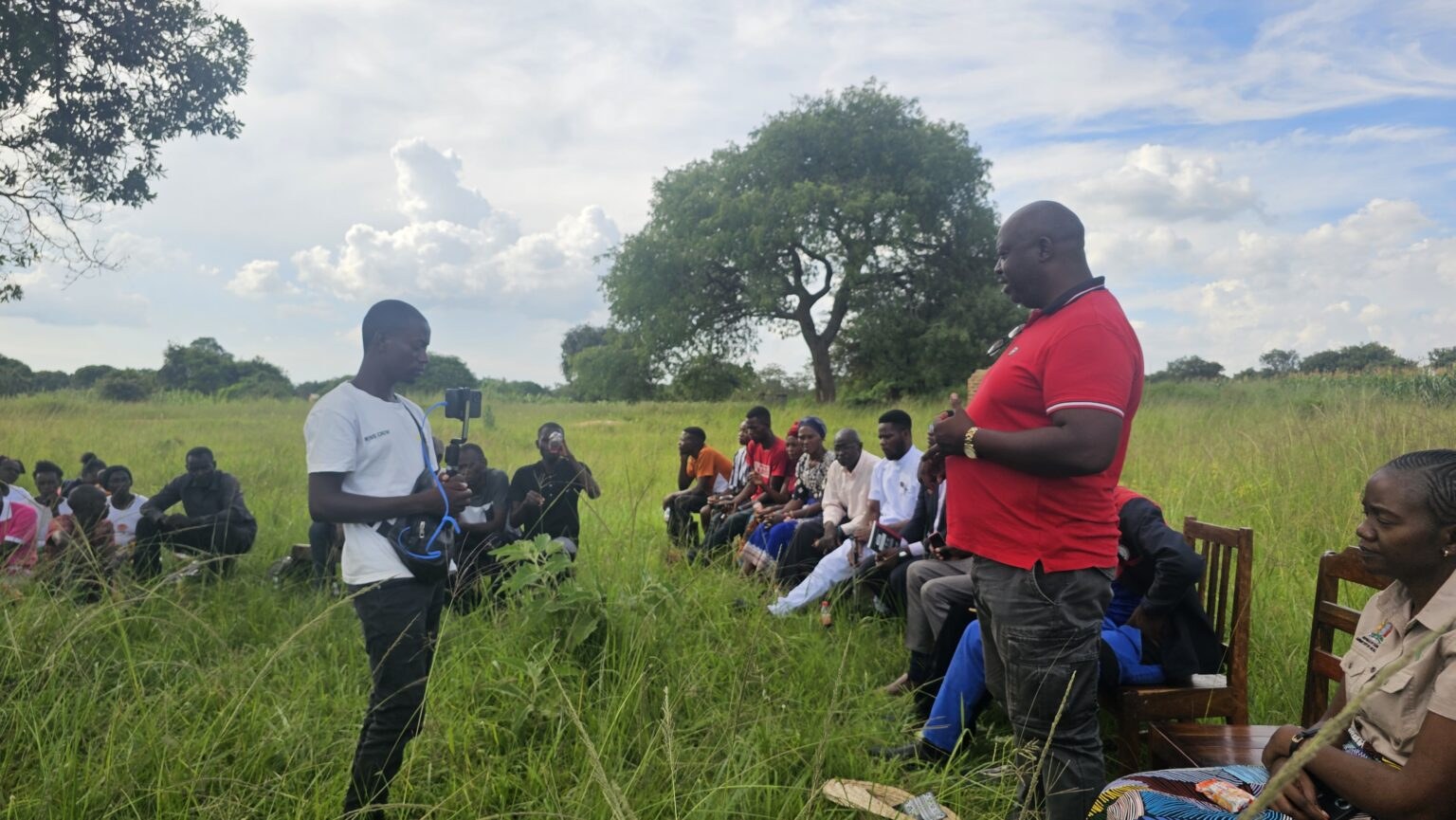
For Vera Mangwato, a community-based volunteer at Kamwanu Rural Health Centre in southern Zambia, the hum of the vaccine refrigerator is the sound of progress. For years, her work meant wrestling with uncertainty. Power outages were frequent in Mbabala Constituency, turning the life-saving vaccines she handled into a liability. Each time the electricity failed, the cold chain that keeps vaccines potent collapsed, threatening not only the precious doses but also the community’s trust in the health system.
“Before this, we had challenges like water and electricity,” Ms. Mangwato recalls. She and her colleagues at the health center, which serves a population of 12,000 people including 2,000 children under five, worried constantly. A spoiled batch of vaccines meant missed immunizations, leaving children exposed to preventable diseases. For mothers who had walked for hours to bring their babies to the clinic, it meant being turned away empty-handed, a journey made in vain. The distance and the unreliability of services fed a growing number of children who had never received a single vaccine dose.
A systemic challenge meets a local solution
Ms. Mangwato’s experience mirrors a systemic challenge facing Zambia. For decades, the nation’s immunization program has leaned heavily on international donors. But as external support grows less predictable, Zambia finds itself at a crossroads: it must secure sustainable domestic funding to protect its children from vaccine-preventable diseases. The country’s economic vulnerability, tied to fluctuating copper prices and significant national debt, makes this transition both urgent and complex.
This is where the Constituency Development Fund (CDF) has emerged as a powerful tool for change. The CDF is a decentralized government fund that empowers local communities to identify and finance their own priority projects. Instead of waiting for directives from the capital, communities like Mbabala can channel public funds toward their most pressing needs. In Choma district, where Mbabala sits, the community identified the unreliable power supply as a direct threat to health services and chose to invest in solar panels for their clinics. That decision, locally driven and practically minded, has kept vaccine refrigerators running without interruption and allowed health workers like Ms. Mangwato to do their jobs.
None of this happened by accident. The strategic use of CDF for health in Choma district owes much to the advocacy of Zambia’s Parliamentary Caucus on Immunization, a body that the Churches Health Association of Zambia (CHAZ) and the Global Health Advocacy Incubator (GHAI) helped to mobilize. Members of Parliament within the caucus have championed the case for directing CDF allocations toward immunization infrastructure in their constituencies, making the argument that cold chain investment is not a luxury but a public health priority.
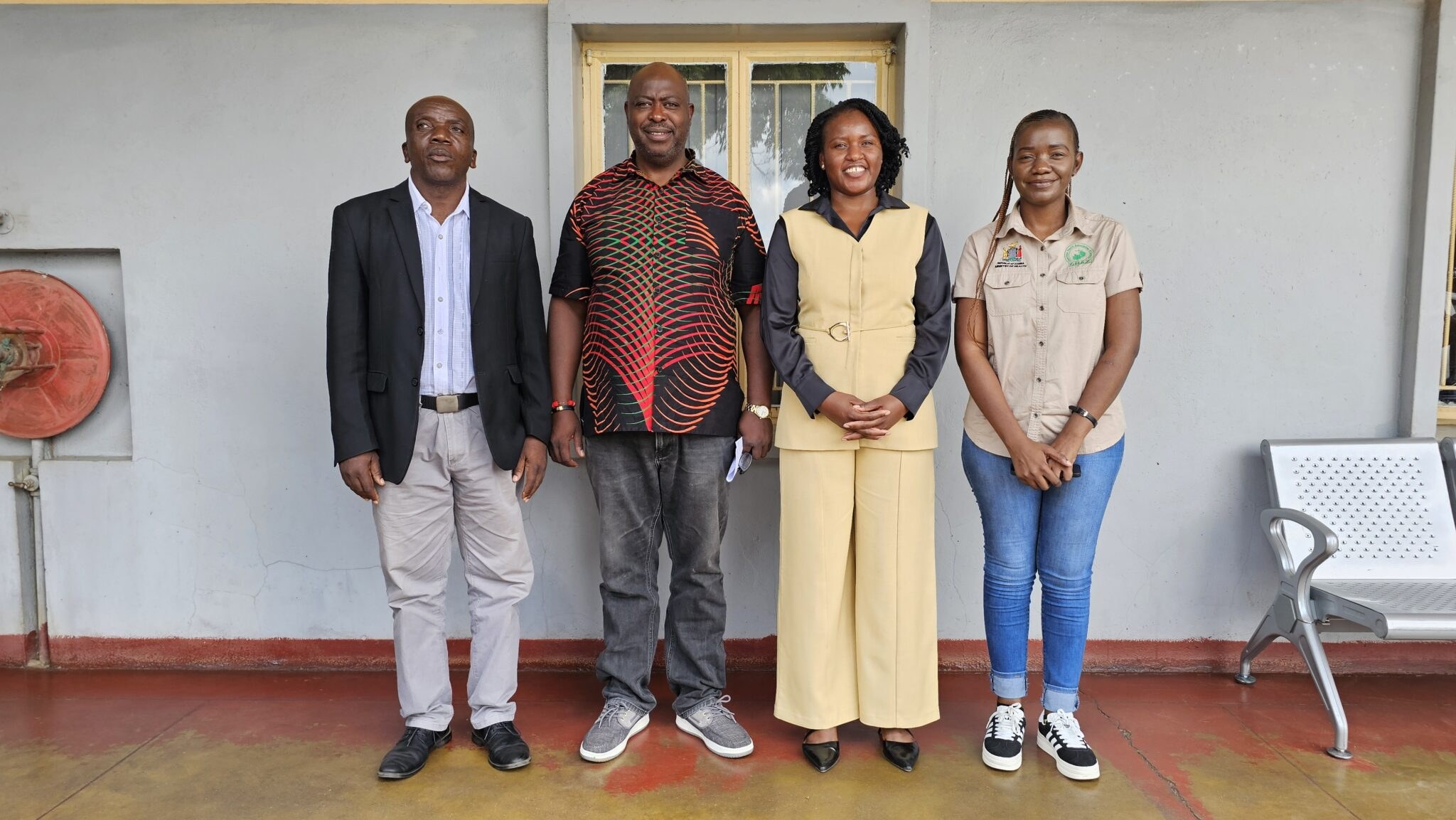
“This is exactly what domestic resource mobilization should look like,” says Mwila Musonda, an Advocacy Officer at CHAZ. “We are encouraging Members of Parliament to see immunization not as a donor-driven program but as a national responsibility. Mbabala is showing that CDF can directly support cold chain systems and strengthen immunization sustainability.”
From constituency win to national blueprint
The success in Mbabala is not an isolated victory. It is a blueprint. Through the sustained engagement of CHAZ, GHAI and the Parliamentary Caucus on Immunization, lawmakers across Zambia are learning from what worked in Choma and pressing for similar investments in their own constituencies. The caucus has given legislators a platform to share evidence, compare results and hold each other accountable on health financing commitments.
Honorable Dr. Christopher Munsanje, the Member of Parliament for Mbabala and an active voice within the caucus, has been a leader in this effort. “CDF has given us the flexibility to respond to real needs identified by our communities,” he explains. “When we invest in solar power for health facilities, we are not just installing panels. We are protecting vaccines, saving children’s lives and securing the future of immunization in Mbabala and across the country.”
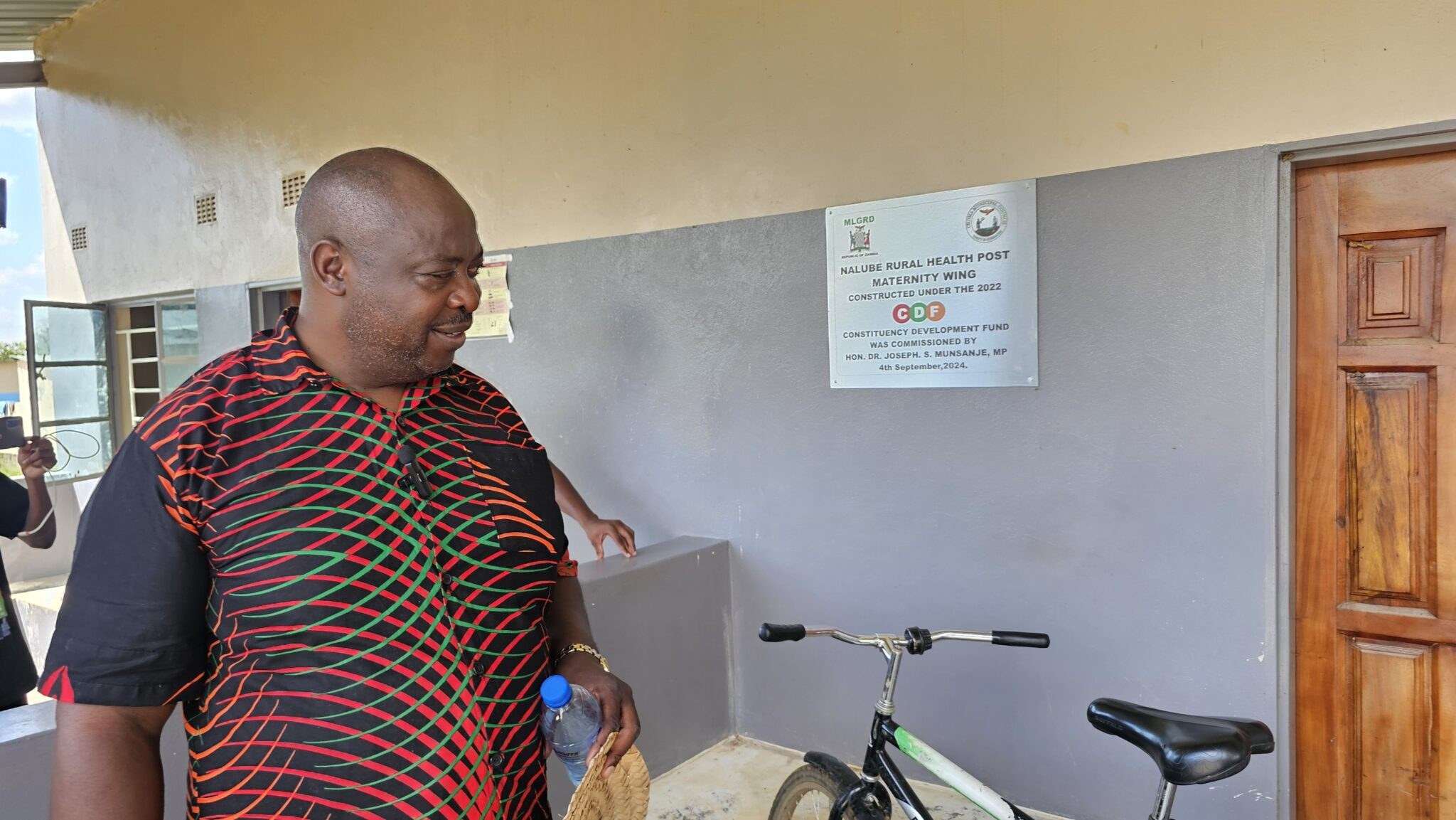
As Zambia navigates the transition away from donor dependency, the CDF model offers a credible and replicable path forward. By empowering communities to invest in their own health infrastructure, and by building a coalition of political champions who grasp the value of immunization, the country is laying the groundwork for a resilient and self-sufficient health system. The quiet hum of the solar-powered refrigerator in Kamwanu is more than a sound. It is evidence that when governments, civil society and communities work together, every child stands a better chance at a healthy life.


