

June 9, 2026
Globally, road traffic crashes are the leading cause of death among children and young people aged 5 to 29, according to the World Health Organization’s (WHO) 2023 Global Status Report on Road Safety. Motorcyclists and other powered two-and three-wheeled vehicle riders are now the largest group of people being killed on the world’s roads, accounting for nearly 1/3 of all deaths. The number of motorcycles has grown globally by 175% since 2011, with the greatest increase occurring in Asia, at 273%, followed by the Americas, at 217%.
In countries like Argentina and Paraguay, motorcycles account for between 20% and 49% of road traffic fatalities. In Colombia, they now make up more than half of the vehicle fleet—and essentially two out of every three road crash deaths involve a motorcycle. These are not just statistics; they represent lives lost, families shattered and communities torn.
The impact is also economic. The WHO estimates that road crashes can cost countries up to 5% of their gross national product. When combined with the emotional toll on families and communities, the true cost of inaction becomes impossible to ignore.
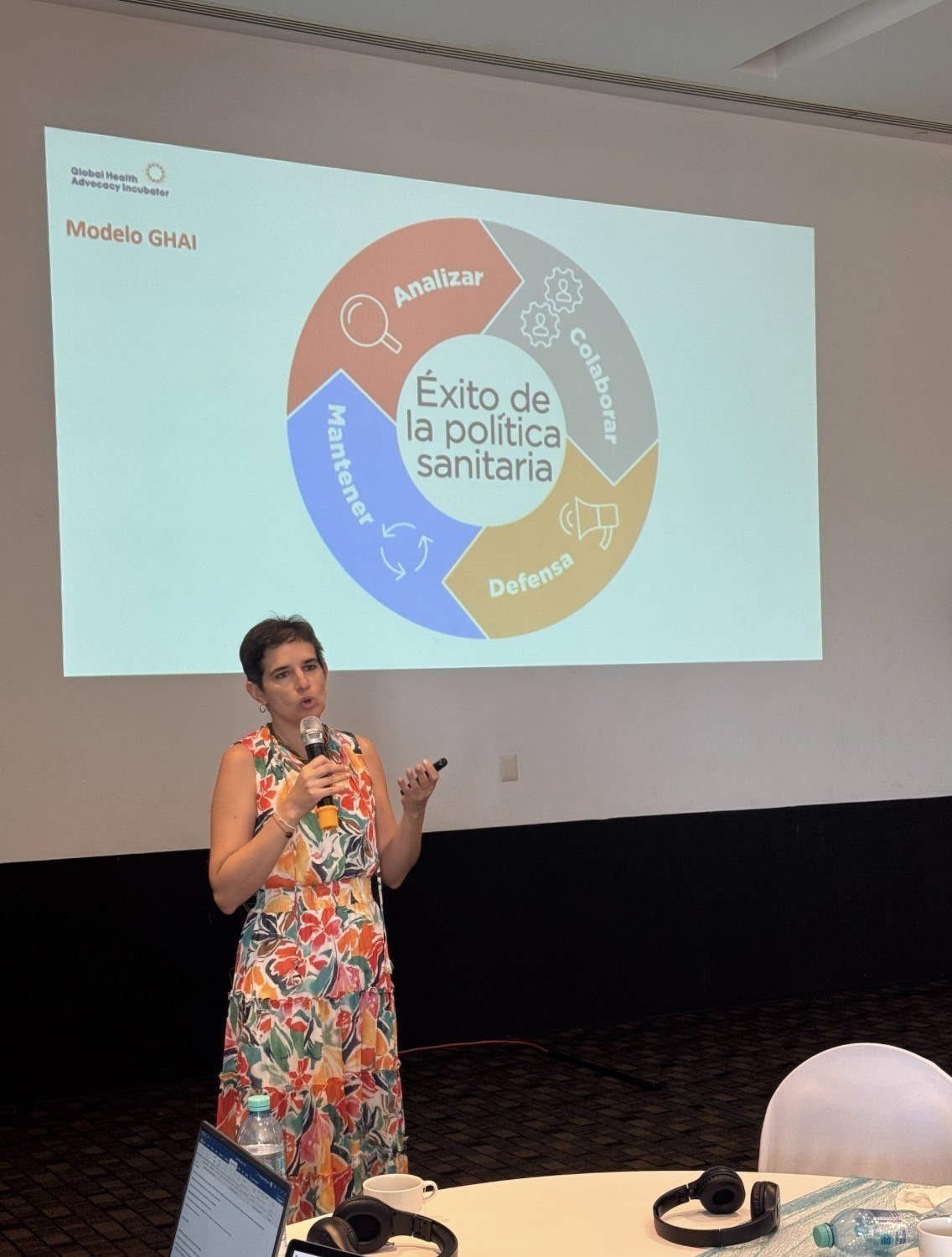
Against this backdrop, WHO and the Pan American Health Organization (PAHO), supported by the UN Global Road Safety Fund, convened government officials and civil society representatives from Belize, Colombia, Mexico and Paraguay in Cancún on March 17–18, 2026, to confront this growing crisis and identify solutions. The convening focused not only on the scale of the challenge but on advancing the policy actions needed to save lives. GHAI’s Road Safety team participated in the discussions, contributing insights and helping to shape potential solutions to improve motorcycle safety.

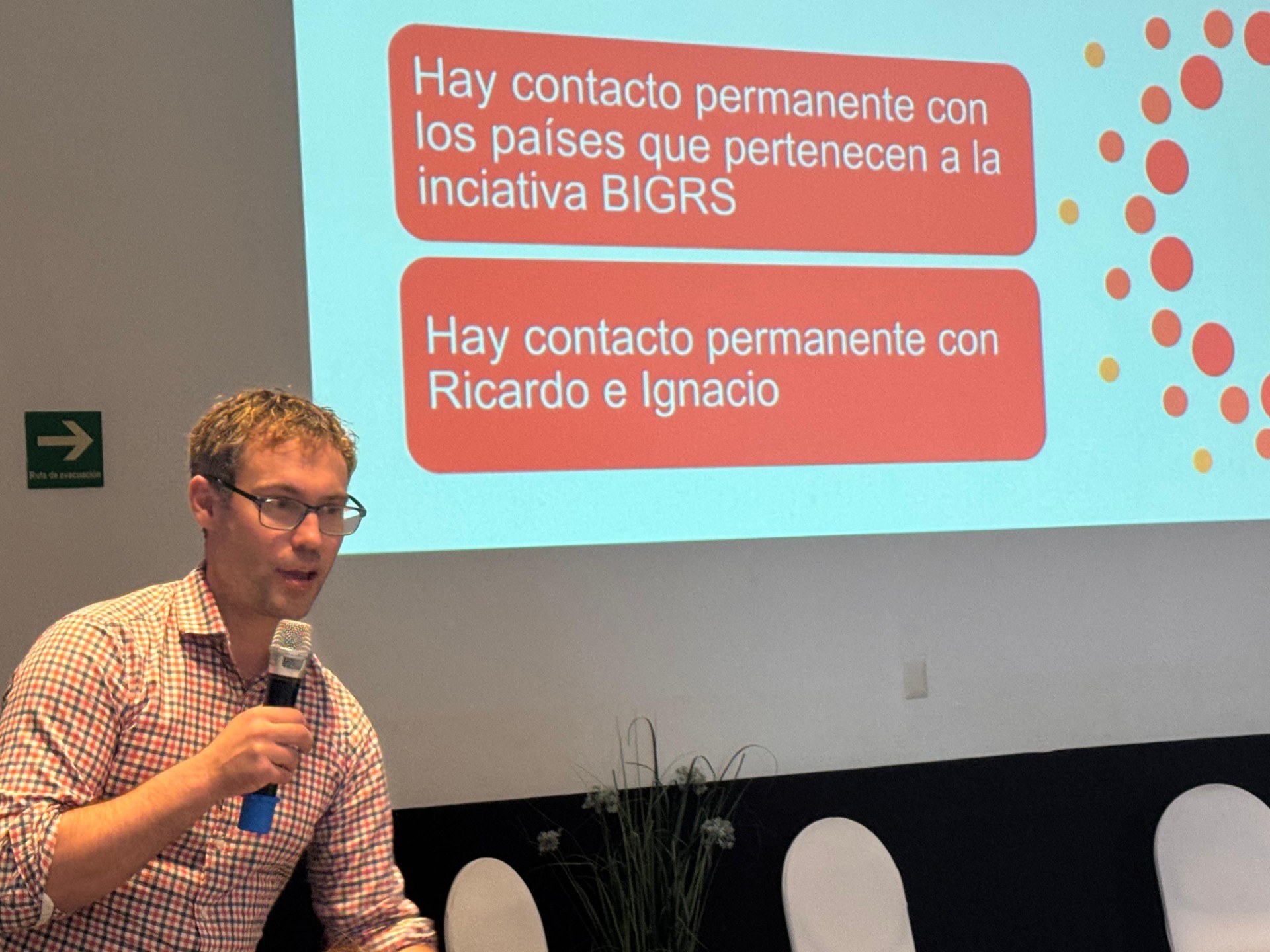
The meeting included multiple presentations and time to focus on specific country dynamics. Topics of focus included licensing, motorcycle safety standards, certified helmets, legal gaps, and in the last session, participants organized themselves by country to do a deeper dive on specific challenges. The workshop also emphasized how the countries are not working in isolation, but instead working with collaborators from Youth For Road Safety, Federación Iberoamericana de Asociaciones de Víctimas contra la Violencia Vial (FICVI)I and partners from the Bloomberg Initiative on Global Road Safety: the Global Road Safety Partnership Vital Strategies, Global Designing Cities Initiative, World Bank, World Resources Institute and GHAI.
Teams from each country shared both challenges and progress. In Colombia, a bill currently under debate would introduce a demerit point system, require separate licensing for all novice drivers on the road, and impose safety restrictions, such as riding alone during restricted hours. In Mexico, the Coalición Movilidad Segura will advocate for a reform to the General Law on Mobility and Road Safety, with the aim of making motorcycle use safer. GHAI supports these efforts by providing technical assistance, helping partners strengthen their impact and advance policy change.
Helmet use also featured heavily in the discussion. Certified helmets that meet United Nations and U.S. safety standards are proven to reduce injuries and fatalities, yet cost remains a barrier. Some countries are addressing this by requiring motorcycles to be sold with certified helmets and eliminating tariffs. Still, experts emphasized that helmets alone are not enough.
A comprehensive approach is needed—one that combines safer vehicle standards like anti-lock breaking systems, improved infrastructure, daytime running lights, reflective gear, safer speeds and stronger enforcement. Expanding access to reliable and affordable public transportation is also essential to reducing reliance on motorcycles in the first place.
Looking ahead, these country teams will play a critical role in advancing reforms. No single country can tackle this challenge alone, and sustained progress will depend on strong advocacy, cross-country collaboration, and the continued exchange of knowledge and experience. By learning from one another and aligning efforts, advocates across Latin America are building the momentum needed to advance effective policies, protect motorcyclists and create safer roads for all.
For more insights and innovations, lessons learned and promising practices of changemakers tackling the motorcycle crisis in diverse country contexts, read GHAI’s The Motorcycle Safety Imperative: An Action Agenda to Address a Growing Public Health and Safety Crisis.


