

April 23, 2026
Every November, World Day of Remembrance (WDoR) for Road Traffic Victims asks us to pause—to honor the lives cut short, stand with families forever changed and recommit to building safer roads for all. But for the Global Health Advocacy Incubator’s (GHAI) civil society partners across the world, remembrance is only the starting point. This year, advocates turned collective grief into a powerful catalyst for action, using public attention to push for lifesaving policies, strengthen community engagement and remind leaders that road deaths are preventable—not inevitable. With support from GHAI, partners elevated their visibility and influence through targeted communications campaigns, strategic media outreach, in-person events and community activations that brought the urgency of safer roads directly to the public and decision-makers alike.
What follows is not just a list of activities. It is a story of how coalitions, youth, survivors and families came together to increase support from governments and to insist that every life on the road is worth protecting.
Bangladesh: Communities Mobilize for Safer Laws
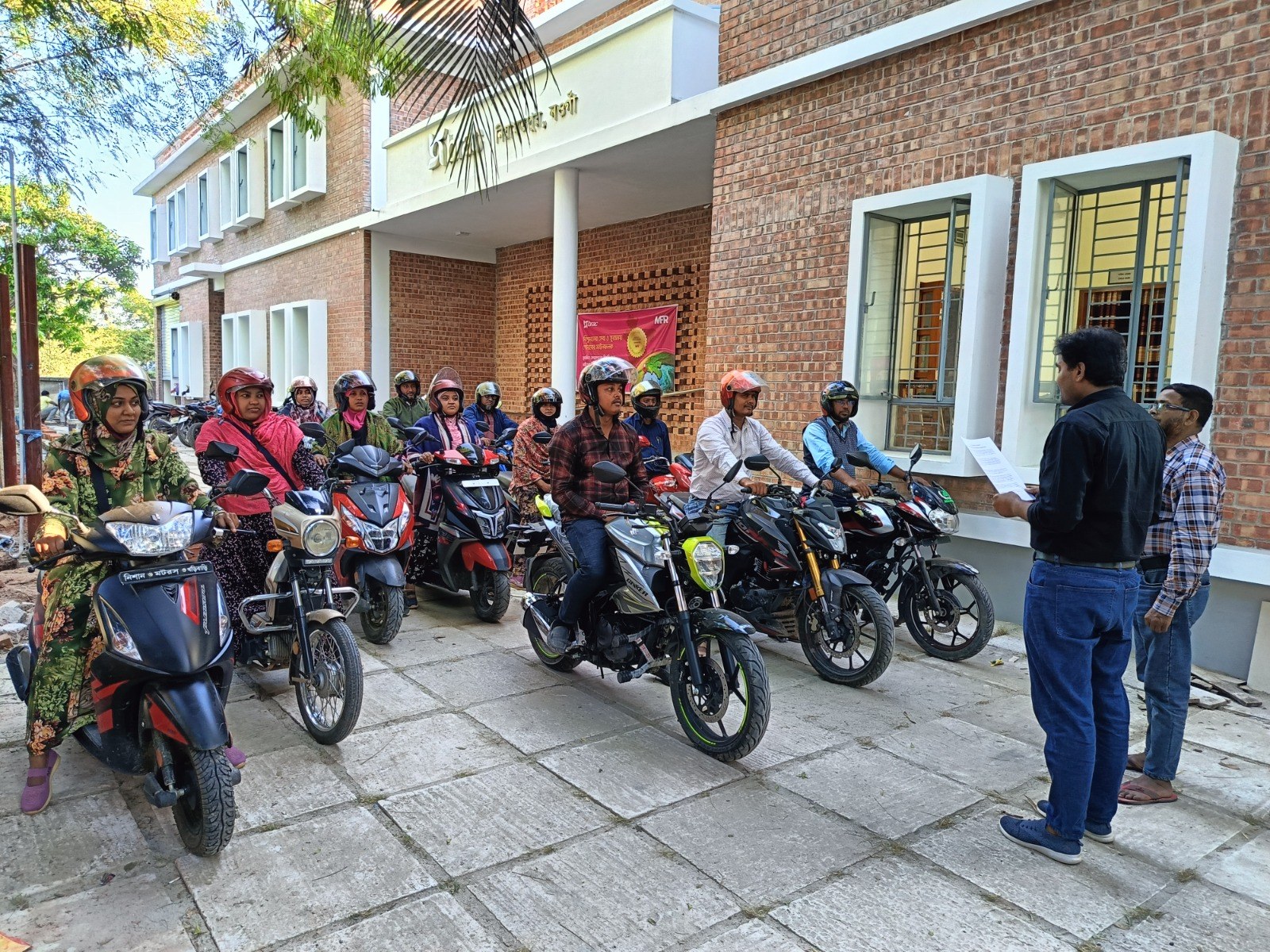
The National Heart Foundation hosted a roundtable discussion held at the Bangladesh Road Transport Authority that brought government agencies, civil society and media together to underline the urgency of a comprehensive national road safety law and urgent actions to protect children and youth. The event highlighted Bangladesh’s global commitments—including finalizing a National Road Safety Law by 2027, enforcing motorcycle helmet and speed guidelines by 2026 and establishing a central crash data system.
Colombia: When Families Speak, Congress Listens
On the morning of WDoR, lawmakers in Bogotá arrived to find a massive banner draped across the entrance of Congress—an unmissable tribute to the victims of Colombia’s road crashes. Inside, families and advocates stepped forward to share the names, stories and futures stolen by unsafe roads. Their testimony was raw and direct, grounding the debate on child restraints and motorcycle safety.
That same week, coalition members met with legislators from Commission VI of the House of Representatives to share key messages to secure support for the Child Restraint System bill to be approved by this chamber in the coming months, while El Tiempo amplified the message nationwide with a front-page feature—proof that storytelling, when paired with advocacy, can move both hearts and headlines.
Ecuador: Young People and Motorcyclists Demand Fairness and Safety
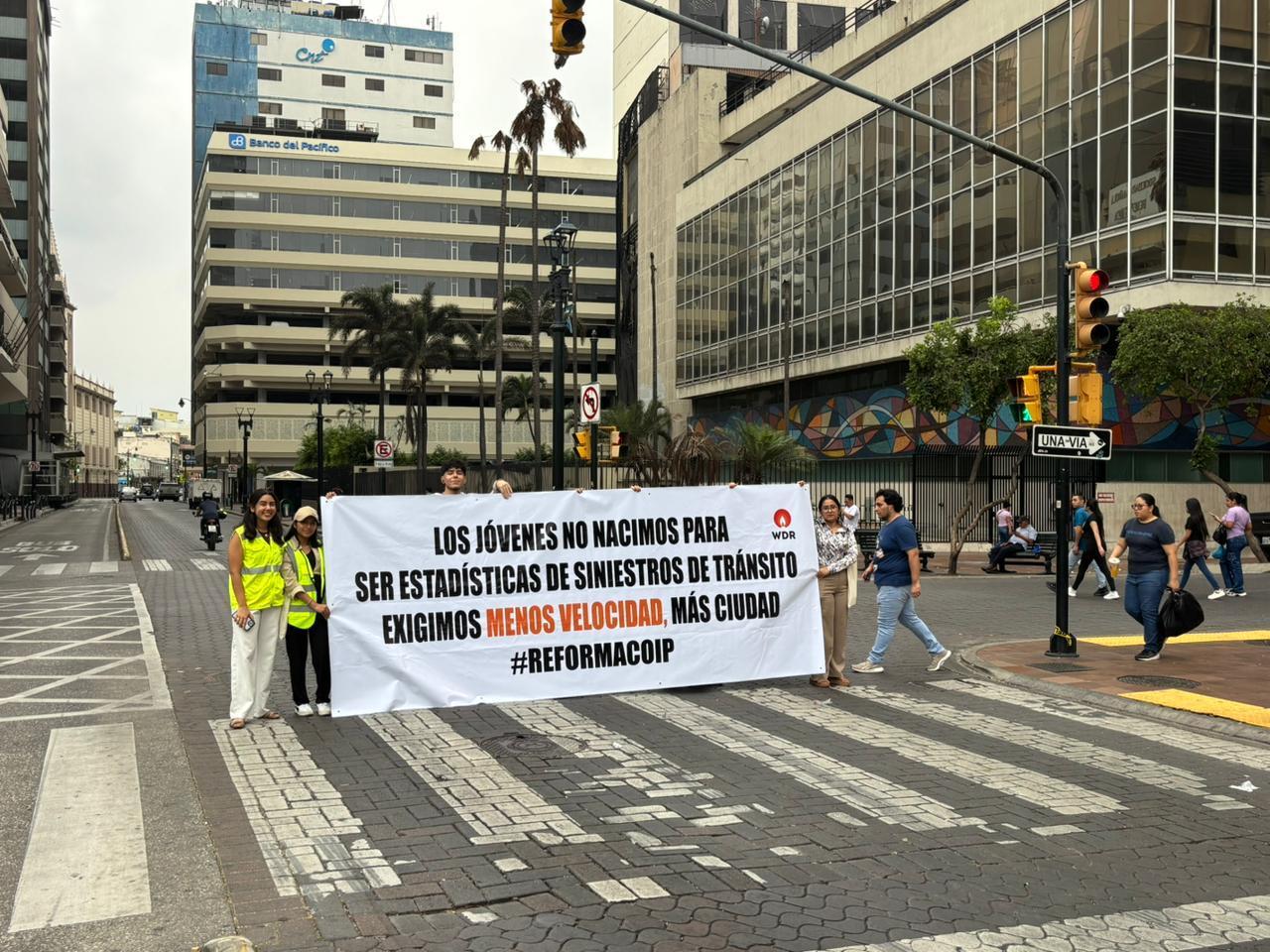
In Quito, more than 200 university students worked with civil society organization Tandem to create a human hourglass—a striking symbol of how quickly young lives are lost in traffic crashes. Their message to the National Assembly was clear: the clock is running out on youth safety.
Movidana then shifted the spotlight to motorcyclists, unveiling evidence from their white paper, Every tariff, a life: why it is urgent to eliminate profits from standard helmets” then showed how taxes on certified helmets push riders toward unsafe alternatives—and how policy change could save lives. The most gripping moment came when 26 motorcyclists volunteered to test their own helmets, exposing quality gaps in real time. More than 120 media mentions carried their demand for fair, lifesaving helmet standards across the country.
India: Reframing Road Safety as a System, Not a Series of Crashes
In India, the Road Safety Network (RSN) gathered experts for its “From Crashes to Systemic Reform” roundtable, urging a Safe System approach that prioritizes scientific speed management, safer road design and stronger accountability. The launch of RSN’s evidence-based white paper, “Solving India’s Road Safety Crisis with Data-Backed, Scientific, and Evidence-Based Solutions,” anchored the conversation and generated 23 media stories—bringing systemic reform into the national dialogue.
Uganda: Bringing the Human Cost to the Forefront
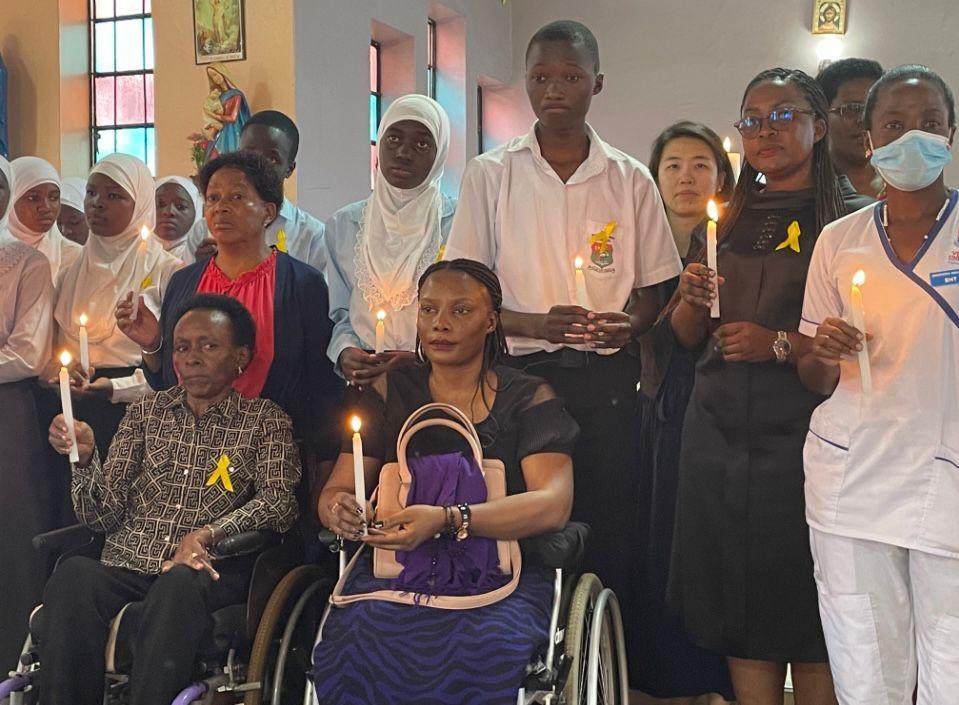
Storytelling for policy change unfolded through deep community engagement, including GHAI-led communications trainings for partners, outreach on helmet use and speed and a multistakeholder service at St. Joseph’s Catholic Church. The most sobering moment came during a visit by government leaders and stakeholders to Mulago National Referral Hospital, where staff treat more than 500 road crash injuries every day. Witnessing survivors and hearing from families underscored why Uganda needs urgent action on helmet standards, urban speed limits and safer school zones.
Ukraine: Campaigns That Move Both Drivers and Decision-Makers
Center for Democracy and the Rule of Law (CEDEM) launched the national “Better to be late than not to arrive” campaign. Billboards, city lights and social media urged drivers to slow down and for government to enforce safer speeds. LIFE complemented this with a press conference highlighting motorcycle and moped injuries. Drawing on national survey findings and launching a helmet safety video campaign, LIFE elevated the need for certified helmet standards. The event, attended by WHO, the Patrol Police, motorcycle advocates and major media, strengthened cross-sector momentum for reform.
A Collective Call for Action
World Day of Remembrance is rooted in loss, but this year’s activities show how powerfully civil society can transform grief into momentum for change. Across continents and communities, GHAI partners elevated victim voices, mobilized youth, engaged policymakers and used evidence to call for stronger, fairer and more effective road safety laws. Their work is a reminder that every policy victory begins with people who refuse to accept preventable death as the status quo. As we look ahead, these campaigns—and the courage behind them—will continue driving the reforms needed to protect every life on every road.


