

May 6, 2026
News
December 17, 2025
Voices, Data and Determination: Road Safety Advocacy Breakthroughs in 2025
Every day, millions of people embark on journeys that should be straightforward—whether it's walking to school, riding a motorcycle to work or securing a child in the back seat of a car. However, these everyday activities can become life-changing in an instant. Road crashes are among the leading causes of death worldwide, particularly affecting young people and other vulnerable road users.
Civil society has long been a driving force behind efforts to strengthen road safety policies. In 2025, their dedication paid off. Advocates around the world helped shift the conversation from isolated tragedies to systemic change. They mobilized communities, grounded their demands in data and amplified stories that often go unnoticed. With the Global Health Advocacy Incubator’s (GHAI) support, their efforts turned lived experiences into meaningful policy action.
Here are some of the most significant wins that shaped the impact of road safety this year.
Where Slower Speeds Became a Community Demand
In many regions, families have expressed the urgent need for safer speed limits after watching their loved ones navigate dangerous roads for too long. In West Bengal, India, these concerns led to a groundbreaking shift towards scientific speed management. After months of collaboration among government agencies, researchers and civil society, the state developed India's first data-driven speed policy. This policy introduced context-specific speed limits to protect pedestrians, children and urban commuters. What started as a technical initiative has quickly evolved into a model that others across India are now eager to replicate.
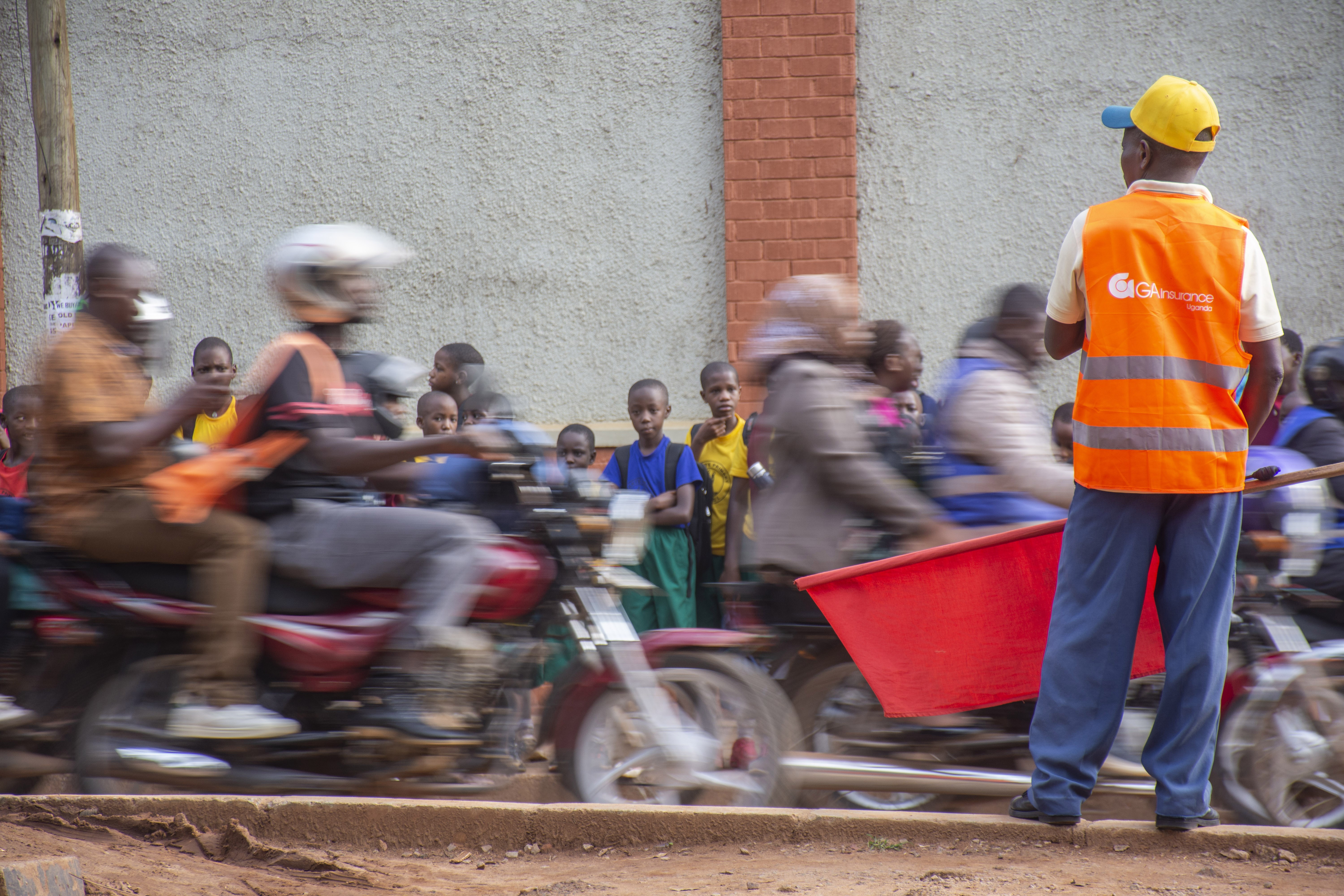
Thousands of miles away, concerns were also rising in Uganda, where school communities and boda boda (motorcycle taxi) riders reported near-misses and dangerous crossings as part of their daily experiences. These stories became central to advocacy efforts that ultimately led Uganda to update its national speed limits for the first time in two decades. The new regulations introduced a 30 km/h speed limit in urban areas and established the first Safe School Zones Guide in Africa. Both initiatives were shaped by local voices as much as by data. In both West Bengal and Uganda, the idea of safer speeds emerged from a simple principle: communities understand what they need to feel secure, and policymakers listened.
When Motorcyclists Pushed Safety to the Top of the Agenda
In low- and middle-income countries, motorcycles are more than vehicles; they are livelihoods. When crash rates increase, it is workers, youth and delivery riders who face the consequences. In Colombia, survivors and motorcyclists have successfully brought the Carvalho Motorcycle Safety Bill to the forefront of the legislative agenda. This proposed law aims to establish novice licenses, implement a demerit point system and enhance oversight of the delivery industry. It reflects a growing consensus that riders deserve protective systems rather than policies that hold them accountable for crashes.
Even in Ukraine, where the ongoing war has affected every aspect of daily life, advocates and civil society groups have kept road safety a priority on the national agenda. Their perseverance has led to increased support for UN-aligned helmet standards and legislation aimed to tighten speed limit enforcement. This progress demonstrates that even during a crisis, the commitment to making roads safer continues.
Read GHAI’s report: The Motorcycle Safety Imperative: An Action Agenda to Address a Growing Public Health and Safety Crisis.
Parents and Doctors Unite for Child Passenger Safety
For years, parents and pediatricians in Colombia have advocated for stronger protections for children in vehicles. In 2025, their persistence paid off when the Senate approved Bill 057, which mandates the use of child restraint systems (CRS) nationwide. Currently, this legislation applies to children under eight and/or those who are shorter than 150 cm. Advocates, including Red PaPaz, are continuing to collaborate with lawmakers to strengthen the bill as it progresses. This effort parallels a significant development in Vietnam, where the government introduced its first national technical regulation on child restraint systems. This regulation addresses a longstanding legal gap and establishes a national standard for child passenger safety. It aligns with global best practices and aims to significantly reduce child road traffic deaths when the law takes effect in 2026. Together, these milestones reflect a growing recognition of the need to protect children from the moment they enter a vehicle.
A Court Case That Reaffirmed Road Safety as a Right
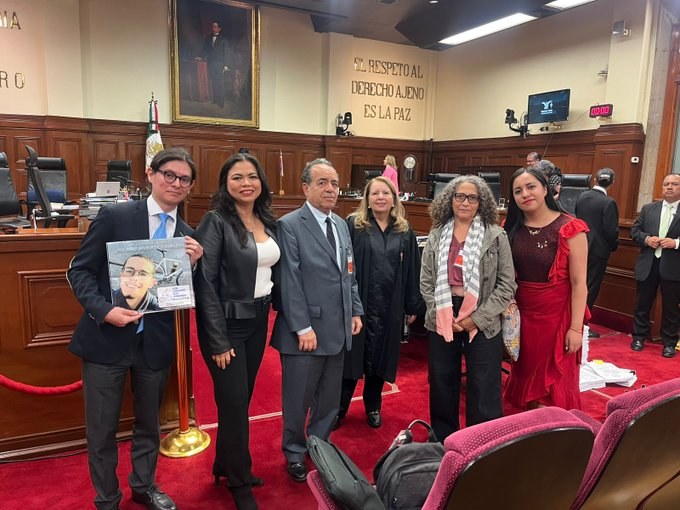
One of the year's defining moments occurred in Mexico, where the fight for safe mobility reached the nation’s highest court. After Puebla’s Human Rights Commission challenged provisions of the state’s Mobility and Road Safety Law—specifically, the requirements for mandatory civil liability insurance and the suspension of licenses for drunk driving—advocates quickly rallied support. Organizations like Céntrico and Bicitekas, with assistance from GHAI’s legal and communications teams, worked together to develop an amicus brief and raise public awareness about the issue.
The outcome was historic: Mexico’s Supreme Court upheld both protections, affirming that safe mobility is not only a sound policy but reaffirming an individual’s constitutional right to safe roads. For millions of road users, the landmark ruling sets a key precedent by the strongest legal authority in the country.
A Shared Story of Possibility
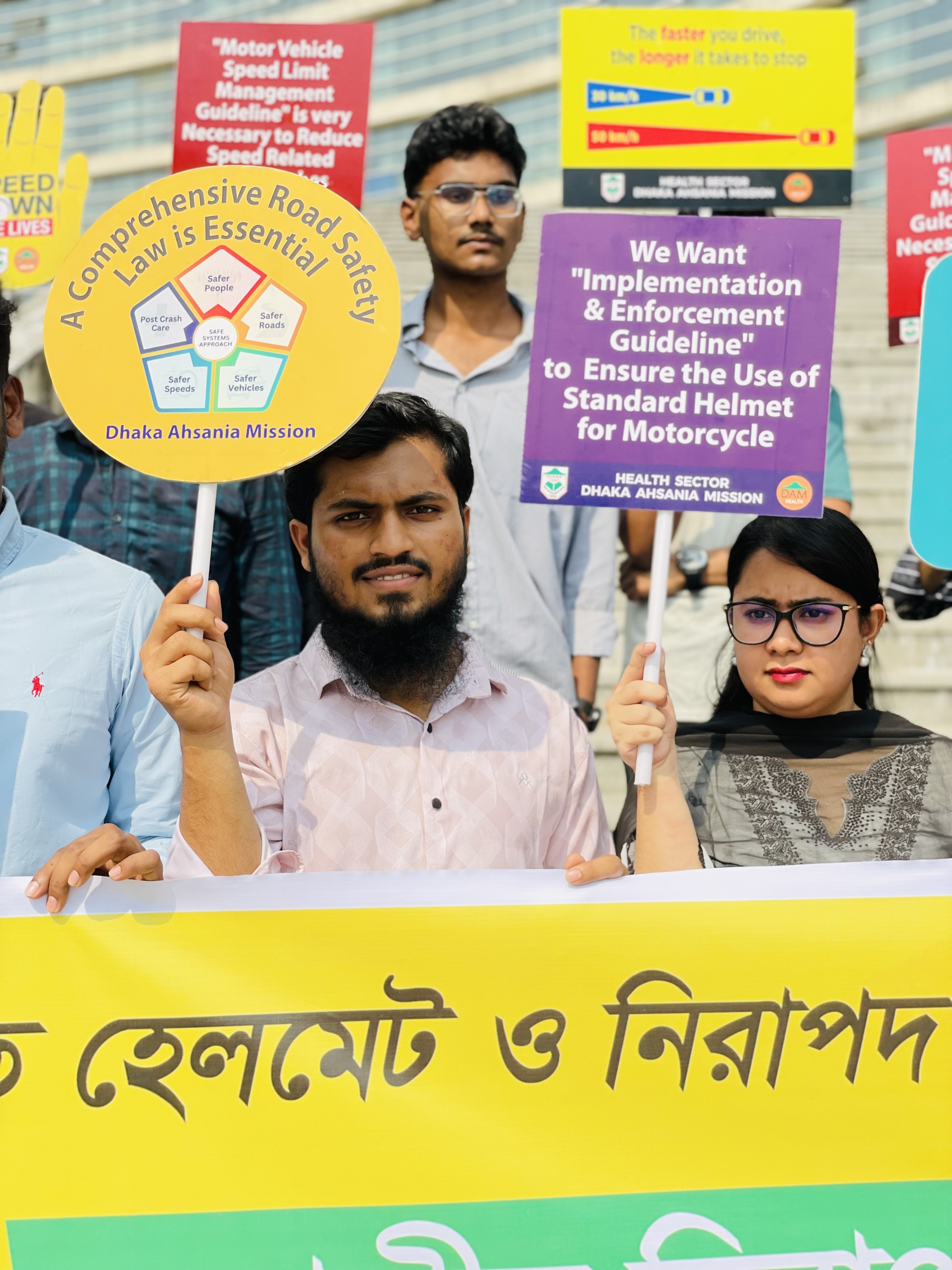
In countries like Bangladesh, Colombia, Ecuador, India, Mexico, Uganda, Ukraine and Vietnam, the specifics of each reform may vary, but the core story remains consistent. Road safety concerns were raised, policymakers prioritized the issues and evidence informed their decisions. Together, they transformed challenges into meaningful reforms.
The journey toward safer roads is ongoing. However, with each new speed limit introduced, each helmet standard strengthened, every child secured in a restraint and every right upheld, these nations demonstrate a powerful truth: road safety is not only attainable—it is already becoming a reality.