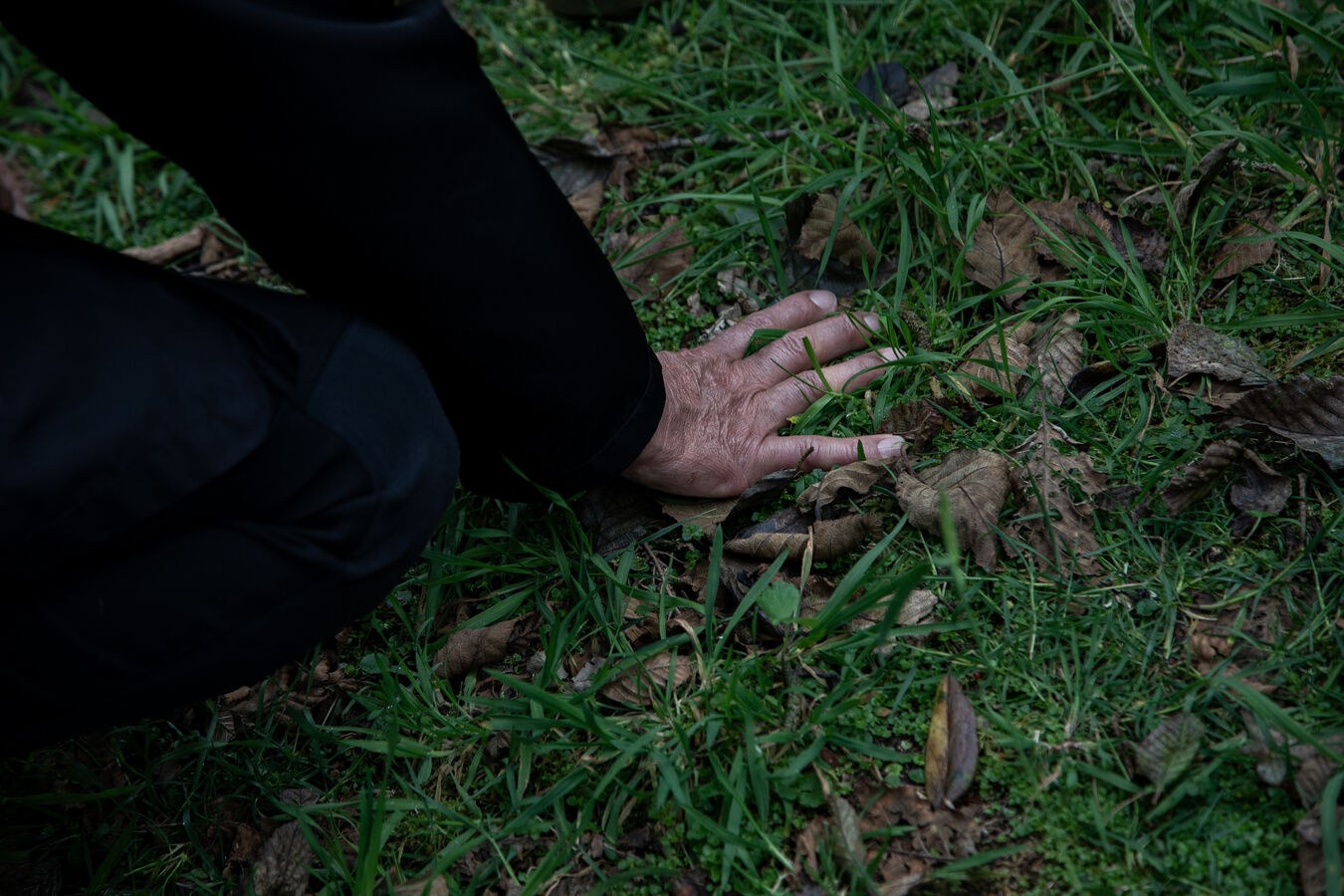
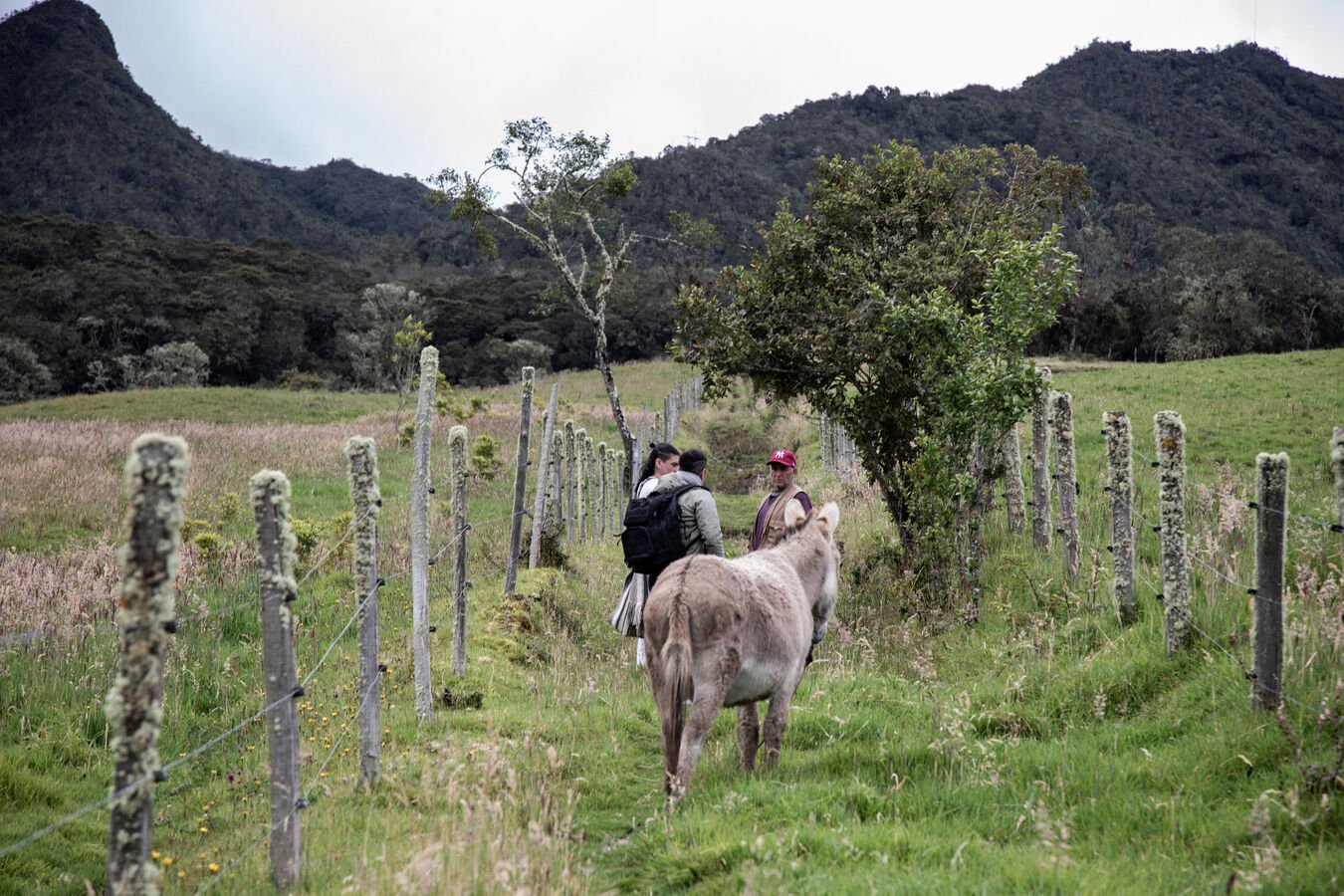
Access to water is a basic human right. Yet, in many regions, communities face water scarcity exacerbated by large-scale commercial extraction. In La Calera, a municipality near Bogotá, the community approached GHAI’s partner, the José Alvear Restrepo Lawyers’ Collective (CAJAR), to initiate legal actions that resulted in a critical decision that prioritizes community water needs over corporate interest. The ruling significantly reduced a long-standing water concession held by INDEGA, a subsidiary of Coca-Cola, and established new environmental and community-focused safeguards.
For years, residents of La Calera faced water rationing due to reduced water flow as industrial extraction continued nearby. Community members raised concerns about irregularities in the water concession that allowed Coca-Cola’s subsidiary to extract water for more than 20 years. When Coca-Cola's water concession expired and they requested an extension, CAJAR together with the La Calera community members requested that the administrative authority comply with holding a public hearing required by law. At the public hearing they demonstrated how the company’s extraction practices were directly affecting local access to water. They urged the authority to conduct an environmental analysis required by Colombian law. This fight for water justice did not happen in a neutral environment. Community leaders, civil society organizations and allied actors were subjected to intimidation, stigmatization, and coordinated efforts aimed at discrediting their work. The attacks targeted their creditability and their source of funding. Coca-Cola also started legal actions against a local decision-maker, seeking millions of dollars in compensation.
Following a rigorous technical and legal review, the environmental authority issued its final resolution in April 2026. While the water concession was renewed, its scope was significantly reduced in response to community concerns and the evidence presented. The decision cut the permitted volume of water extraction by half, limited the number of authorized water sources and shortened the length of the concession from 10 to 5 years, allowing for reassessment of water availability and impacts.
Crucially, the decision also establishes that water extraction must be immediately suspended in cases of drought, contamination, natural disasters or human-induced harm that limits available water flows, in line with regulations.
Beyond restricting extraction, the ruling places new environmental obligations on the company. This includes implementing an environmental compensation plan, buying 53 hectares of páramo ecosystem (a protected and valuable Andean ecosystem that supports biodiversity and provides water) for conservation, investing in municipal water infrastructure, setting up an independent water measurement system ad involving the community in conversation programs.
This outcome is the result of sustained, long-term work. Since 2021, CAJAR has investigated abusive water use by ultra-processed food and beverage companies, as well as practices targeting communities that oppose these activities. The La Calera case builds on that broader effort.
This case has implications beyond the community of La Calera. Access to water is a fundamental lever to the right of food. As long as large beverage companies continue to overuse water resources, this will continue to threaten community resilience and food security. It’s also an important case study of troubling industry interference tactics like using misleading narratives, pressuring the public process and trying to discredit civil society.
Most importantly, it proves the power of strong legal advocacy and the perseverance of civil society who forged ahead despite the intimidation and other troubling industry interference patterns, which ultimately compelled a public institution to act in the public interest.