

March 31, 2026
Earlier this month, people around the globe celebrated World Obesity Day. This year’s theme, “8 Billion Reasons to Act,” highlighted an important truth: obesity is not just the result of individual choices. In everyday life, the foods that are easiest to find, the ones most heavily advertised and what’s offered in schools and communities all shape daily decisions. In that context, “choice” is rarely neutral.
That’s why the conversation is shifting. Around the world, civil society organizations are focusing less on telling people what to do and more on changing the environments that make those decisions in the first place.
The Global Health Advocacy Incubator’s (GHAI) partners in Barbados and Indonesia marked World Obesity Day with two different approaches that, together, illustrate how this shift can take shape in practice.
Starting with systems, not just individuals
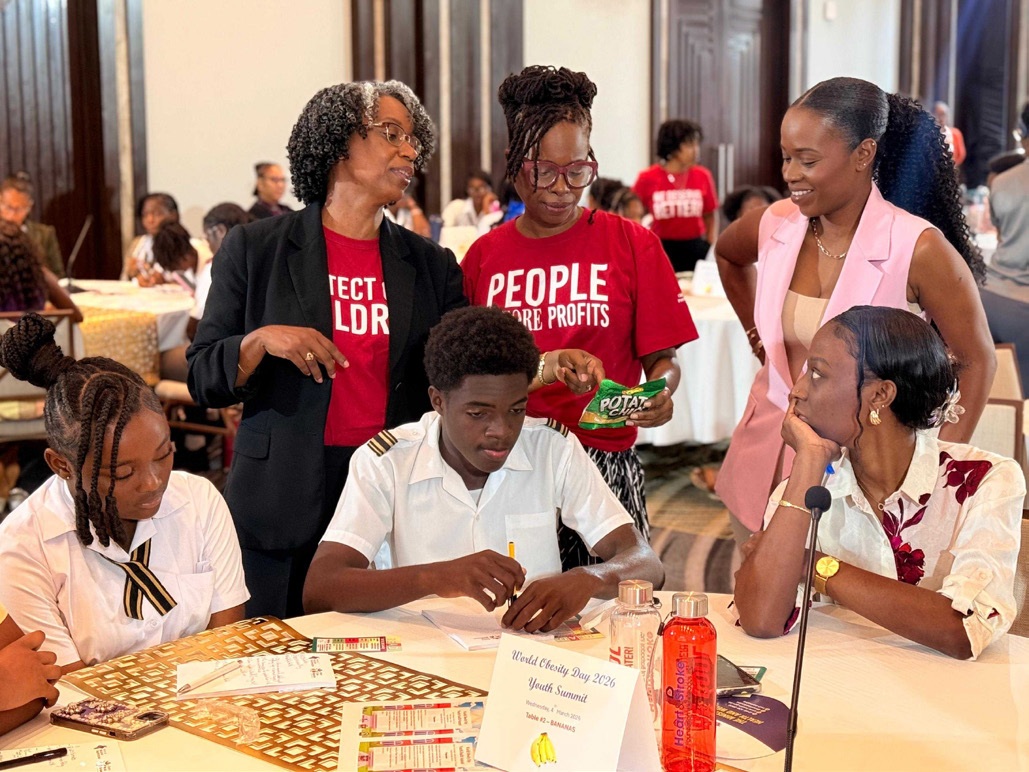
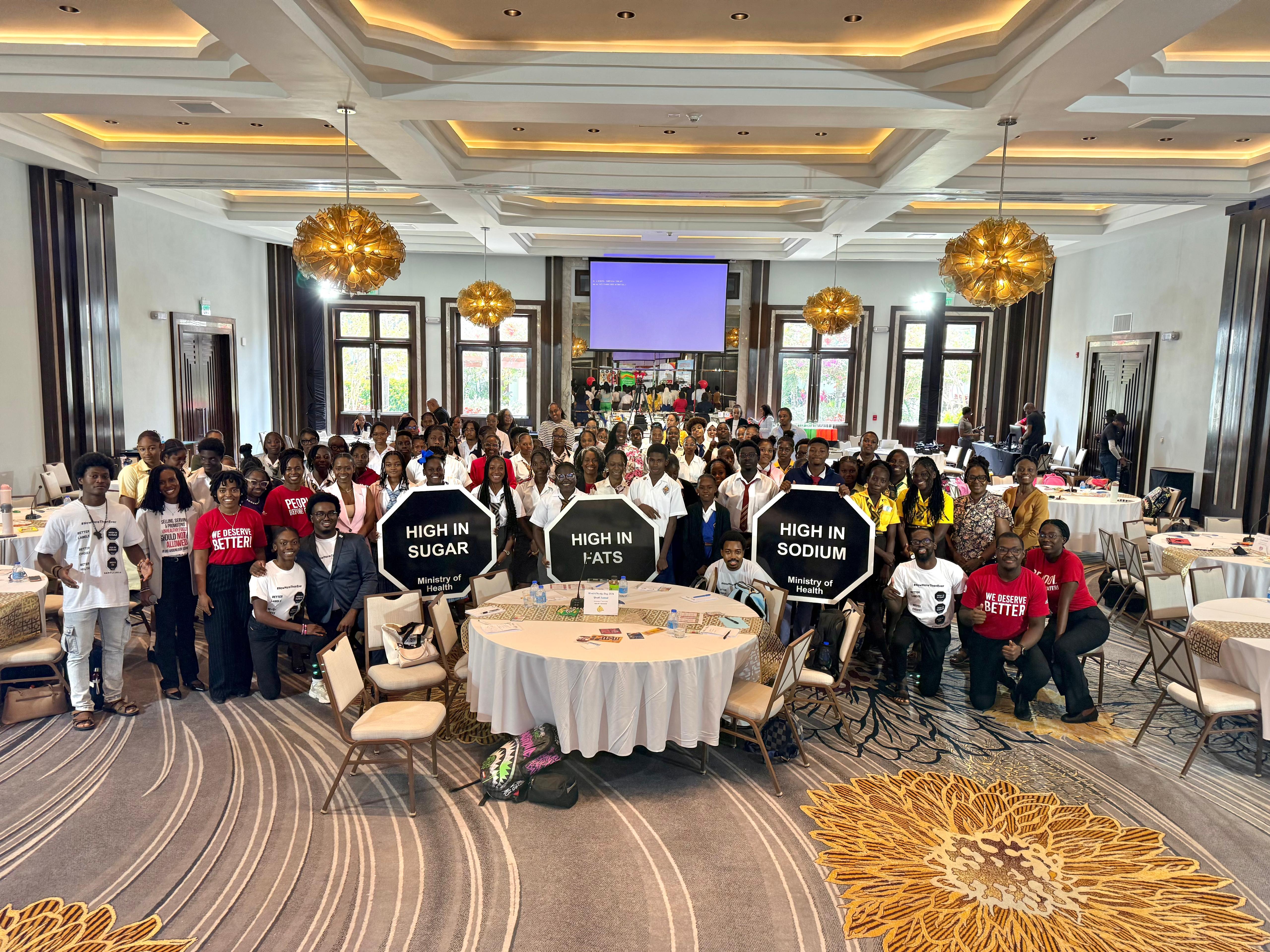
In Barbados, the Heart & Stroke Foundation of Barbados used World Obesity Day to turn the spotlight toward young people and the systems shaping their health.
At its Youth Health Summit, students were not passive participants. They led sessions, facilitated discussions and unpacked the everyday influences behind what they eat, from nutrition labels to the marketing tactics used by fast food and ultra-processed food companies.
The goal went beyond promoting healthier habits; it built understanding and found ways students could become advocacy leaders at their schools. When young people can recognize how their food environment works, they are better positioned to question it and, importantly, to change it.
That focus on systems was reinforced by government engagement. During the event, the Honorable Minister Chad Blackman, Barbados’ Minister of Education Transformation, announced that a free healthy breakfast program will be introduced in all primary schools starting in September 2026.
Barbados’ experience is a practical example of what systems change can look like. Instead of placing the burden solely on families or students, it ensures that healthier options are built into the school day itself.
Changing the conversation
In Indonesia, the challenge is similar, but the approach looks different.
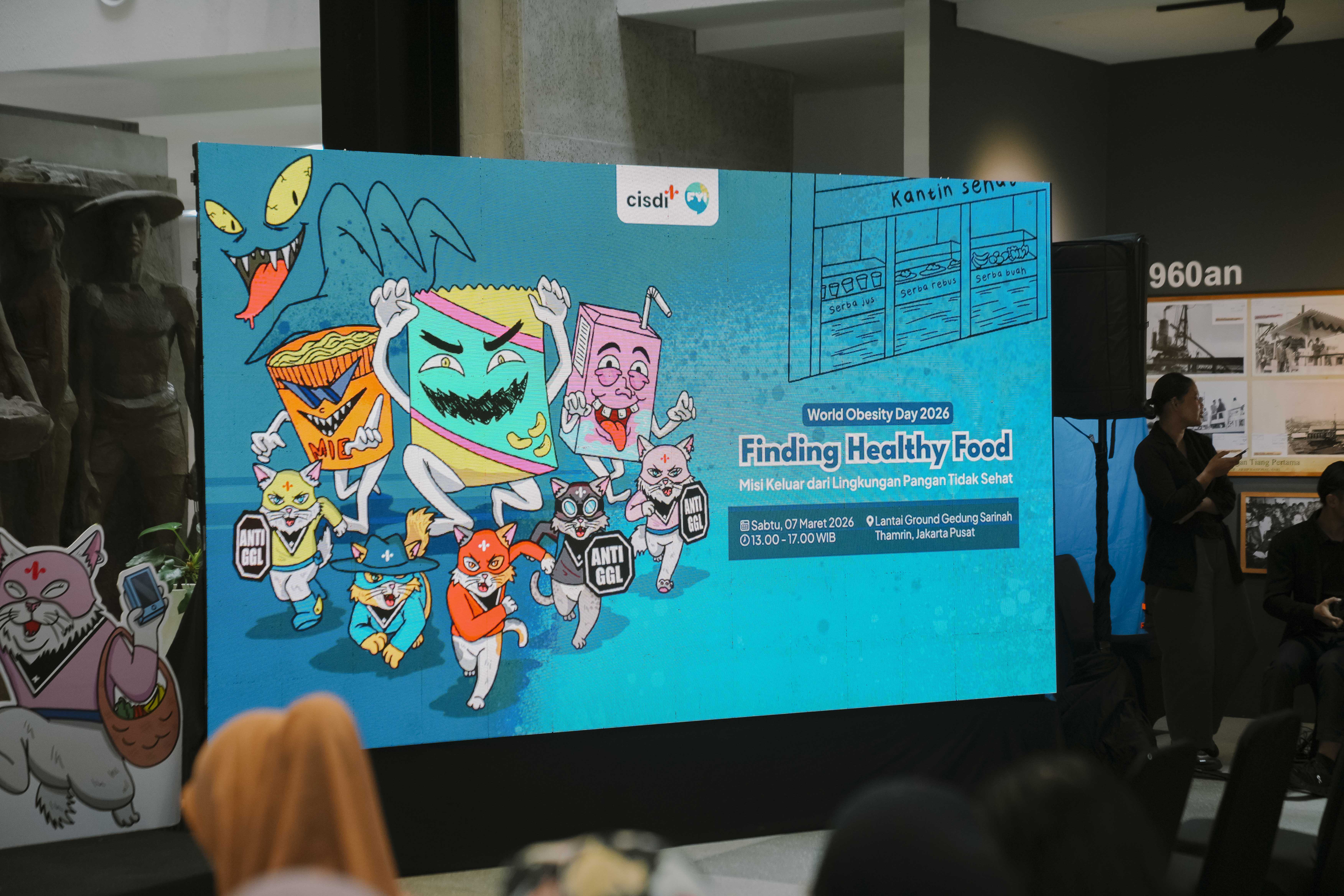
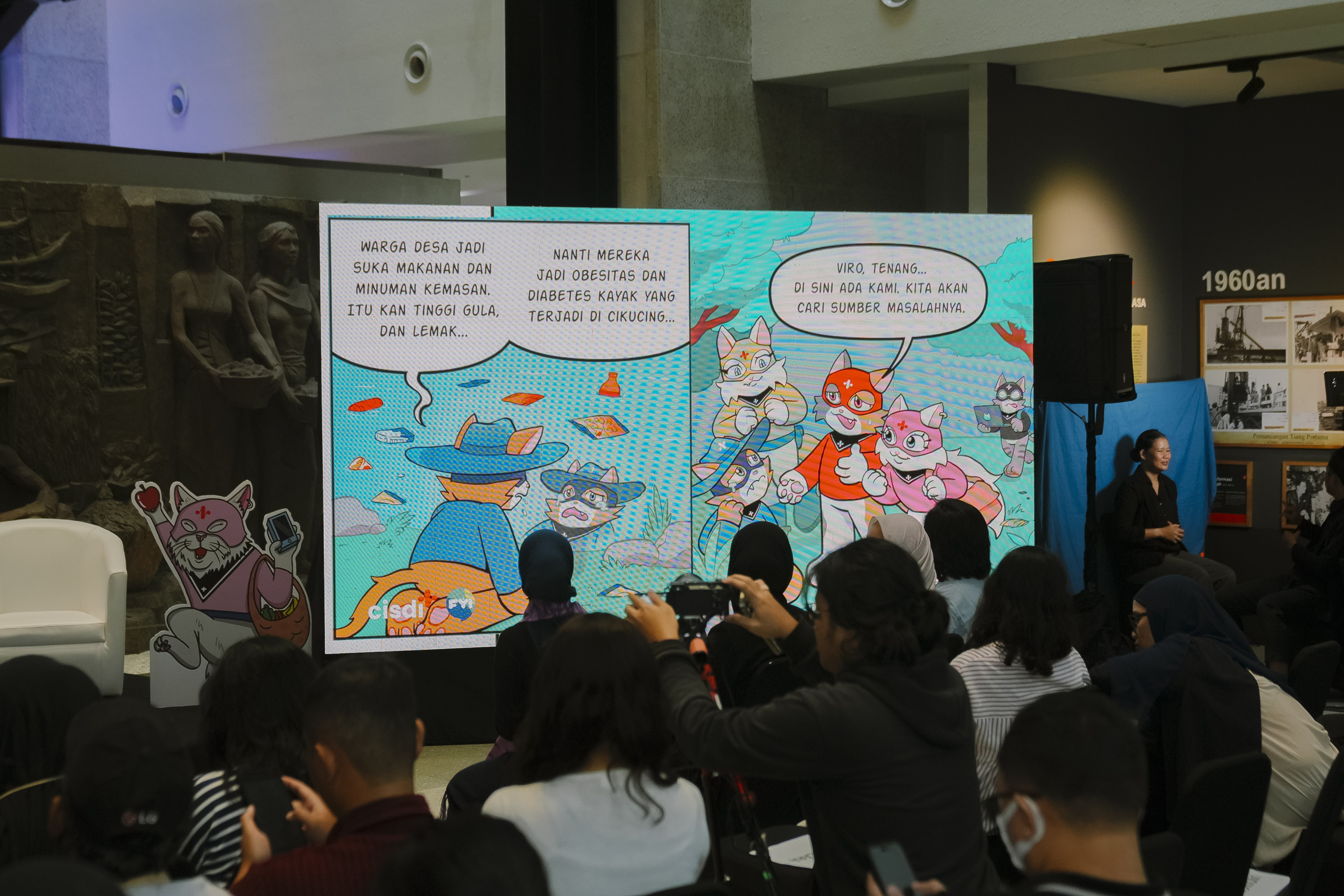
At a World Obesity Day event in Jakarta, the Center for Indonesia’s Strategic Development Initiatives (CISDI) focused on how obesity is understood by the public. Too often, the issue is framed as a matter of personal responsibility, overlooking the role of food environments and policy.
To shift that narrative, CISDI launched an unexpected tool: an animated “Healthy Food Ranger” cartoon.
At first glance, it may seem simple. But the strategy behind it is deliberate. Complex issues like nutrition and obesity can be difficult to communicate, especially to children and families navigating busy, information-heavy environments.
By translating those ideas into storytelling and visual characters, the campaign makes the invisible forces shaping food choices easier to recognize. It opens the door to broader awareness and, over time, greater demand for healthier environments.
Different approaches, shared direction
What connects these two efforts is not their format, but their focus. In Barbados, young people are being equipped to question and reshape their food environments. In Indonesia, public understanding is being reframed to highlight the systems behind the issue. Both move beyond the idea that change depends solely on individual willpower. Instead, they point to a more realistic and more effective path: improving the conditions in which choices are made.
Why this matters now
Obesity rates are rising globally, and with them, the risk of serious health conditions such as heart disease, diabetes and certain cancers. But the significance of this year’s theme goes beyond the numbers. “8 Billion Reasons to Act” is a reminder that everyone is affected by the systems that shape health, whether through the foods available in a neighborhood, the meals provided in schools or the messages seen every day.
It also suggests something hopeful; if systems help drive the problem, they can also drive the solution. From school meal programs to public awareness campaigns, from youth advocacy to creative communication strategies, change is already taking shape in different ways and in different places around the world.
The common thread is clear: healthier lives do not start with better choices alone. They start with better systems that make those choices possible.


