


May 19, 2026
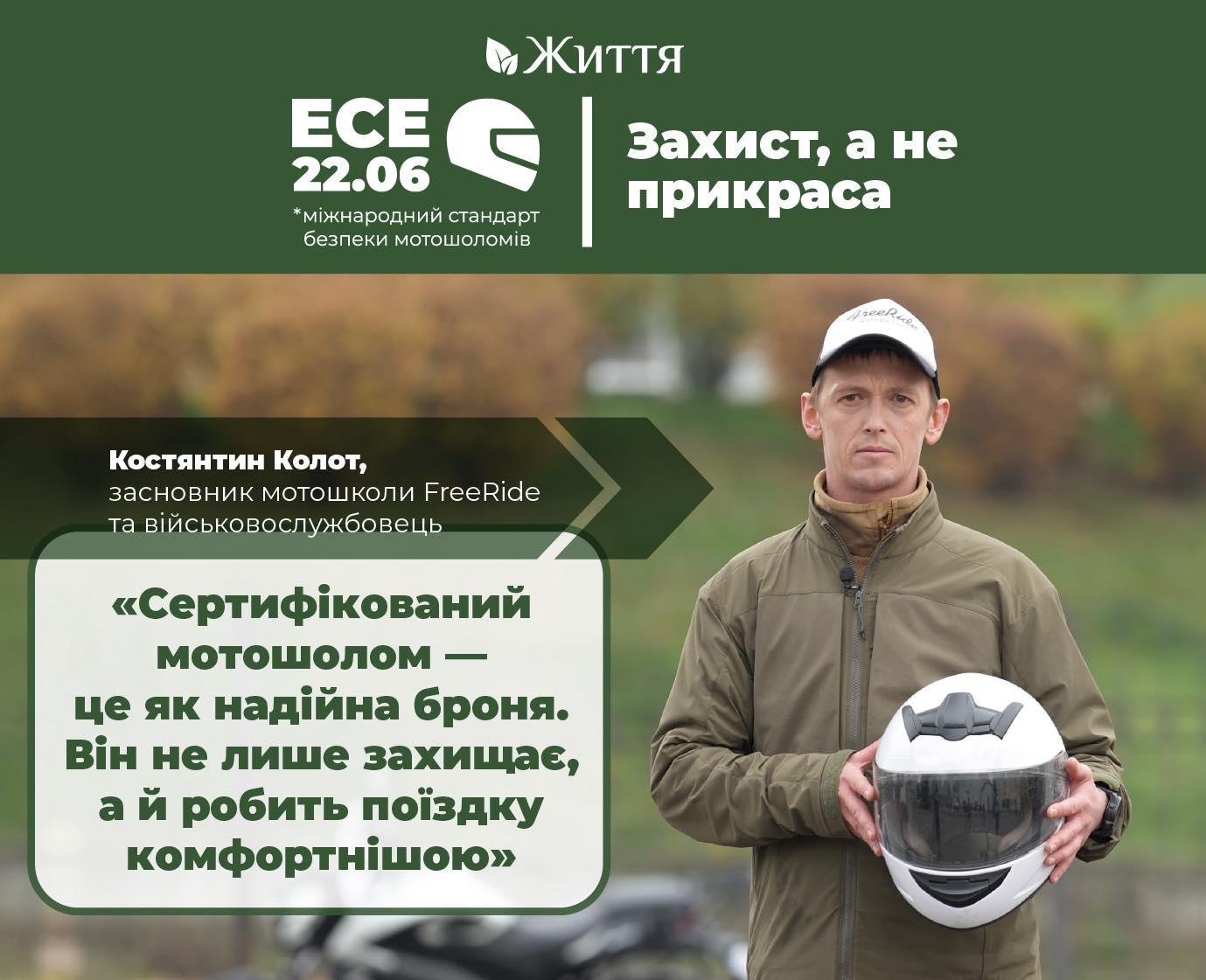
On March 25, 2026, Ukraine reached an important milestone in road safety. The Cabinet of Ministers adopted a new regulation introducing, for the first time, an international standard for motorcycle helmets—ECE 22.06—into national law.
This change may sound technical, but its impact is very real. For years, Ukraine required riders to wear helmets, yet there was no modern system to ensure those helmets were actually safe. In practice, that meant many people could be wearing helmets that offered little protection in a crash. The new regulation begins to close that gap.
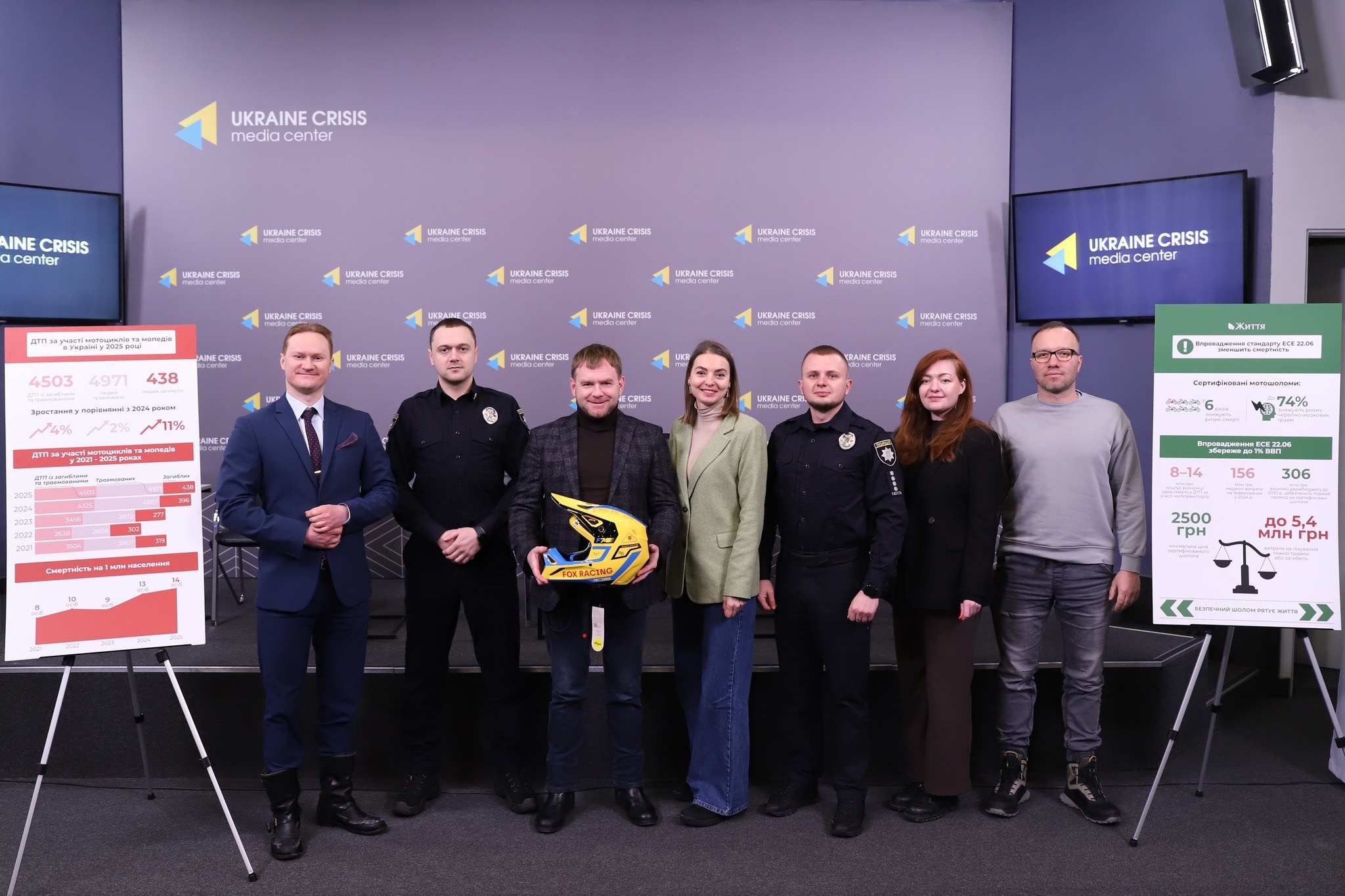
The timing could not be more critical. In 2025, 438 motorcycle and moped users were killed in Ukraine. Even more concerning, deaths among these road users have increased by 83% over the past four years. Behind these numbers are families, communities and lives cut short. Stronger safety measures are urgently needed—and this reform is a key step in that direction.
Starting September 27, 2026, all new motorcycle helmets sold in Ukraine must meet the new standard. Manufacturers and importers will be required to prove that their products comply with certification before they can enter the market. This marks a shift from an outdated system to one that sets clear expectations for safety and accountability.
Why this change matters
Not all helmets are created equal. High-quality, certified helmets are designed to absorb impact and reduce the risk of serious head injuries. Lower-quality or uncertified helmets may look similar, but they often fail to provide adequate protection when it matters most.
By adopting ECE 22.06—the latest and most rigorous international standard—Ukraine is raising the bar for helmet safety. This will help ensure that riders have access to equipment that can genuinely protect them. It also brings Ukraine closer in line with European safety practices, an important step as the country continues to align its policies with broader regional standards.
Public support for stronger helmet rules is already strong. Recent polling shows that 86% of Ukrainians support requiring certified helmets. This suggests that people understand the risks and are ready for better protection.
The challenge behind the reform
Reaching this point was not simple. One of the biggest challenges was that helmet safety was often seen as a technical issue rather than a public health priority. While the risks were clear, turning them into a national policy priority required sustained effort.
Advocates had to demonstrate not only that helmet use matters, but that helmet quality matters just as much. A helmet that does not meet safety standards can create a false sense of security—giving riders confidence without real protection.
Another challenge was the lack of oversight. Without clear regulations, the market remained open to uncertified helmets, leaving consumers with little way to distinguish between safe and unsafe products.
And, as with many policy changes, passing the regulation is only part of the solution. Rules on paper do not automatically translate into safer roads. Implementation, enforcement and public awareness will determine whether this reform delivers real results.
The role of advocacy and partnerships
This progress did not happen overnight. It was the result of sustained advocacy by civil society organizations, supported by the Global Health Advocacy Incubator (GHAI) and its local partners.
Through public awareness campaigns, media engagement and policy advocacy, these groups helped raise awareness of the issue and build momentum for change. They focused on a simple but powerful message: wearing a helmet is not enough if the helmet itself is unsafe.
By connecting evidence with real-world stories and clear policy solutions, advocates helped shift the conversation. Helmet safety became not just a technical issue, but a matter of public health and everyday safety.
GHAI supported these efforts by strengthening advocacy strategies, amplifying key messages, and reinforcing the case for aligning Ukraine’s policies with international best practices. Together, these efforts created the conditions needed for reform.
What comes next
While this new regulation is a major step forward, the work is far from finished. The next phase will focus on making sure the new rules are implemented effectively. This includes monitoring the market, enforcing compliance and ensuring that only certified helmets are sold.
At the same time, further policy changes may be needed. The current regulation focuses on the helmets being sold, but it does not yet require riders to use helmets that meet the new standard. Aligning traffic rules with updated safety requirements would help ensure that safer helmets are not only available but also used.
Public education will also play a key role. Riders need to understand why certified helmets matter. Retailers and importers need to know what is required of them. And enforcement authorities must be equipped to consistently apply the new rules.
A foundation for safer roads
Ukraine’s adoption of its first-ever motorcycle helmet safety standard is a meaningful step toward safer roads. For the first time, the country has a clear, modern framework to ensure that helmets meet strong safety requirements.
But the real impact will depend on what happens next. With effective implementation, stronger enforcement and continued public awareness, this reform has the potential to reduce injuries, save lives and protect thousands of riders in the years to come.
The foundation is now in place. The task ahead is to build on it—and ensure that safer helmets lead to safer roads for everyone.


