

March 5, 2026
Policy Win
March 5, 2026
From Commitment to Action: Bangladesh’s Multi-Ministry Approach to Prevent Noncommunicable Diseases
Thirty-five ministries from the Government of Bangladesh have signed a landmark Joint Declaration on Strengthening Inter-ministerial Cooperation for the Prevention and Control of Noncommunicable Diseases (NCDs), committing to a coordinated and comprehensive response to one of the country’s most urgent public health challenges.
This milestone reflects years of sustained advocacy and technical collaboration from local advocates. The Global Health Advocacy Incubator (GHAI) and national partners including Knowledge for Progress (mostly known as PROGGA), Bangladesh Medical University and other civil society organizations provided technical assistance, evidence generation, stakeholder and media engagement and strategic communication to help make this declaration a reality.
NCDs, namely cardiovascular diseases, diabetes, cancer, chronic respiratory diseases and mental health conditions, account for 71% of all deaths in Bangladesh. The numbers reached 283,000 in 2024. Currently, 13.9 million individuals in Bangladesh have diabetes, while nearly one in four adults is affected by hypertension. https://iris.who.int/server/api/core/bitstreams/93b8e571-00a2-4de3-bb34-30f99b384816/content
The burden extends far beyond health outcomes. According to the World Health Organization (WHO), NCDs account for 69% of out-of-pocket health care expenses in Bangladesh, driving significant financial hardship for families and straining the health care system.
These diseases share common behavioral and metabolic risk factors: tobacco use, unhealthy diets, physical inactivity, obesity, hypertension, high blood sugar and air pollution. Addressing such complex drivers requires coordinated action beyond one ministry alone.
In alignment with SDG Target 3.4—which aims to reduce premature mortality from NCDs by one third by 2030— and the National Multisectoral Action Plan for the Prevention and Control of NCDs, Bangladesh marked a historic milestone last year in its journey to strengthen prevention and treatment services. Recognizing the urgency of collective action, secretaries from 35 ministries signed the Joint Declaration, committing to:
- Make NCDs a Policy Priority by integrating health promotion and NCD prevention and control across all relevant policies through a “Health in All Policies” approach.
- Implement the Action Plan by allocating human and financial resources and scale up WHO “Best Buy” interventions with strong monitoring.
- Ensure Participation by engaging communities and citizens through a whole-of-government and whole-of-society approach.
- Strengthen Coordination and Cooperation by supporting the Ministry of Health and Family Welfare in leading the National Multisectoral Coordination Mechanism, which brings together ministries and agencies to oversee the implementation of Bangladesh’s NCD action plan.
- Ensure Accountability by reviewing progress, publishing reports and addressing challenges in a timely and transparent manner.
Signatories include representatives from the Health Services Division, Finance Division, Ministry of Education, Ministry of Agriculture, Ministry of Environment, Forest and Climate Change, Road Transport and Highways Division, Ministry of Food, Ministry of Industries and others. Their collective policies directly influence food systems, transport infrastructure, environmental protection, taxation and education, all of which are central to preventing NCDs. By aligning these sectors, Bangladesh has made a clear and conscious shift from siloed initiatives to a coordinated national response.
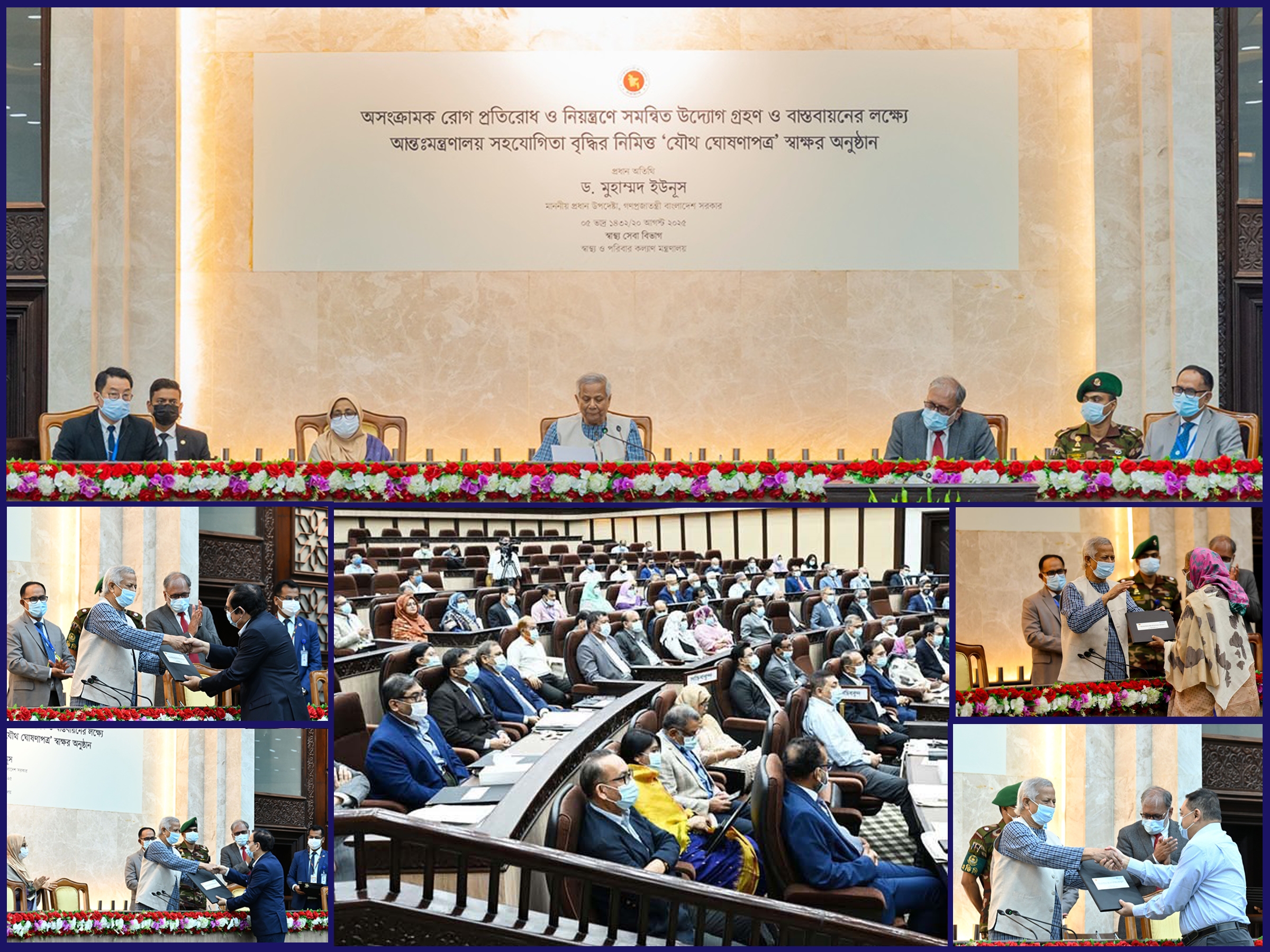
The Joint Declaration is already producing measurable results. The Secondary and Higher Education Division has instructed schools and colleges to implement Health Promoting School (HPS) standards, establish tobacco-free campuses, maintain healthy canteens, incorporate physical exercises in their curriculums and include NCD awareness in all training courses. This whole-of-government approach can strengthen primary health care, support early detection and prevention of NCDs and reduce avoidable premature deaths.
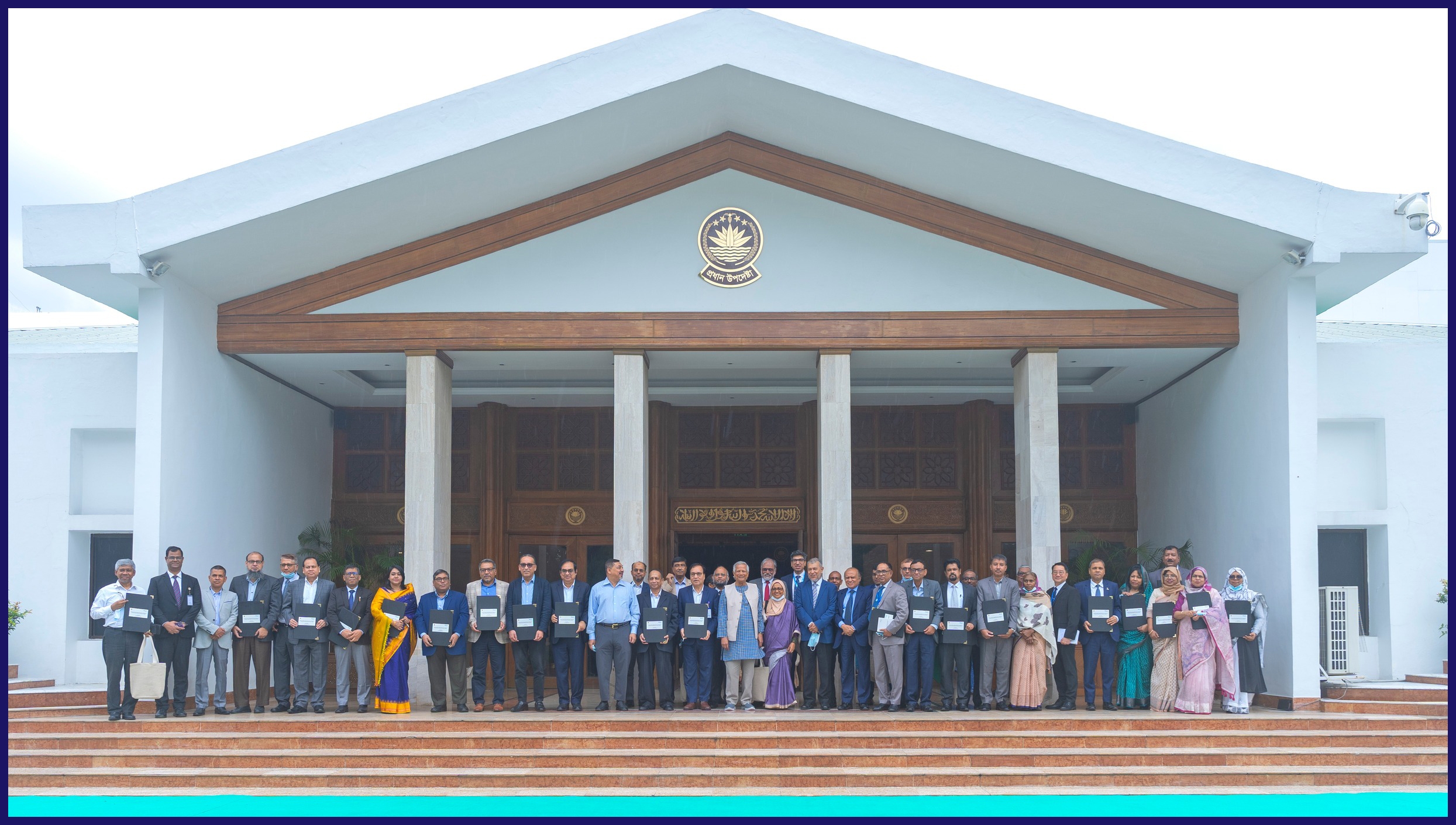
The Joint Declaration marks a new phase in safeguarding public health in Bangladesh. With coordinated implementation through the National Multisectoral Coordination Mechanism, stronger monitoring and NCD priorities embedded in annual plans across ministries, this commitment has the potential to protect Bangladeshi families from preventable diseases, reduce health-related financial strain and advance national prosperity. It also offers a model for other low- and middle-income countries facing similar NCD burdens, demonstrating that sustained advocacy can drive structural reform at the highest levels of government.
This important work is completed in close coordination with the Resolve to Save Lives initiative.